There’s something magical about taking humble root vegetables and transforming them into a dish that’s both comforting and elegant. I’m talking about glazed root vegetables, a side dish that can elevate any meal, especially during the cozy autumn and winter months. Forget boring boiled carrots – this is where vibrant colors and sweet, savory flavors collide, creating a symphony for your taste buds. I remember the first time my grandmother made glazed carrots for Thanksgiving dinner; I was instantly hooked. This recipe has been tweaked and perfected over generations, and I’m excited to share it with you!
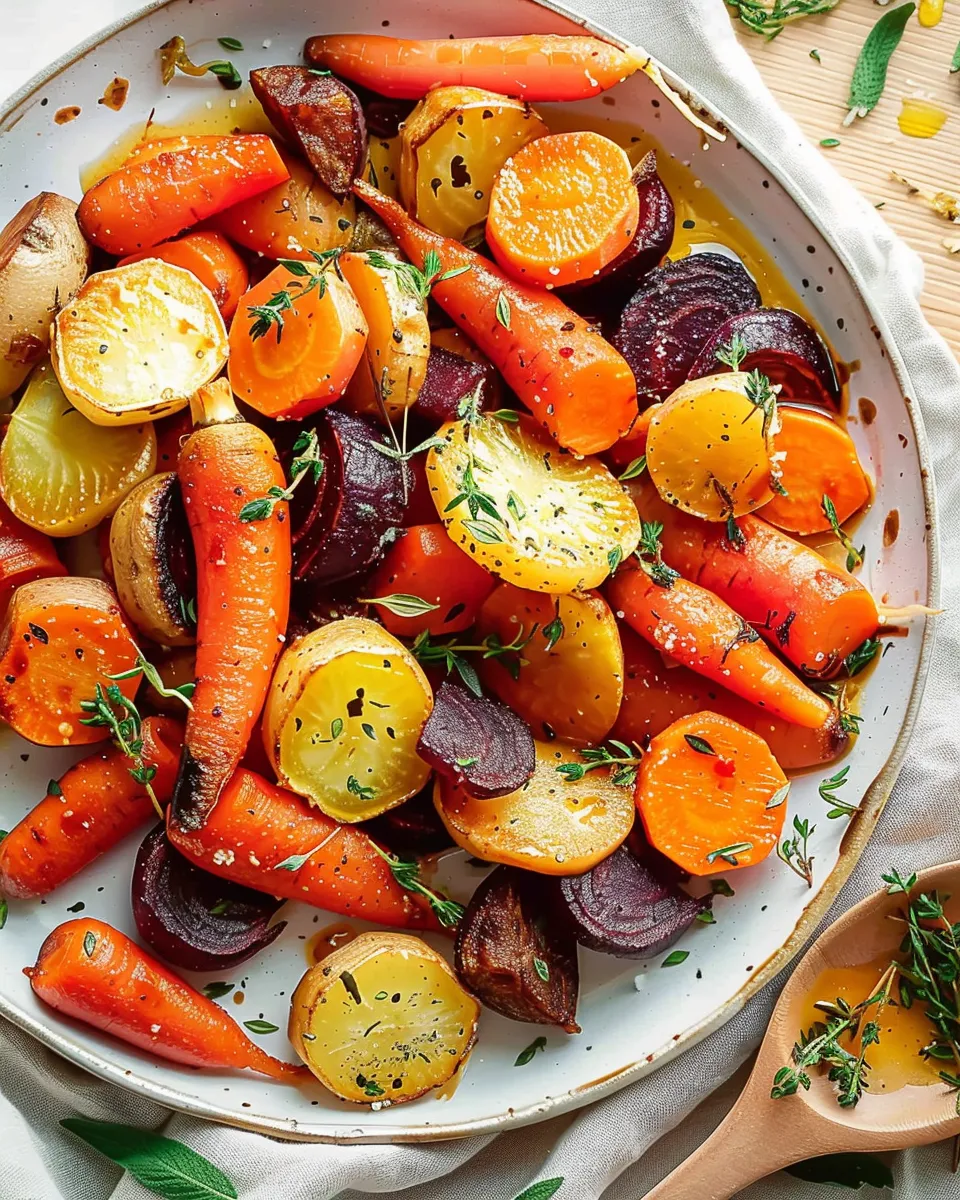
Glazing root vegetables isn’t just about making them look pretty; it’s about coaxing out their natural sweetness and adding a layer of complex flavor. Over the years, I’ve tested this recipe countless times, experimenting with different vegetables, glazes, and cooking methods. I’ve learned that the key to perfect glazed root vegetables lies in the right balance of sweetness, acidity, and a touch of spice. This year, with the holidays fast approaching and everyone looking for ways to make their celebrations extra special, I thought it was the perfect time to share my tried-and-true method. So, whether you’re a seasoned cook or a kitchen newbie, grab your favorite root vegetables, and let’s get glazing!
This guide is designed to help you create perfectly glazed root vegetables every time, from selecting the freshest ingredients to mastering the art of the glaze. We’ll explore different vegetable combinations, glaze variations, and cooking techniques, ensuring your glazed root vegetables are a standout dish at any table. Plus, I’ll share some of my personal tips and tricks for achieving that perfect glossy finish and irresistible flavor. So, are you ready to transform ordinary veggies into something extraordinary? Let’s dive in!
Why Glazed Root Vegetables are Trending This Season
Root vegetables are having a moment! It’s no longer just about the pumpkin spice craze (though I love that, too!). People are looking for ways to embrace seasonal produce and create dishes that are both healthy and delicious. Glazed root vegetables fit the bill perfectly, offering a vibrant mix of flavors and textures that are ideal for fall and winter gatherings. They align perfectly with the trending “cozy comfort food” aesthetic, which is all about dishes that evoke feelings of warmth, nostalgia, and home.
The Resurgence of Comfort Food
Comfort food is making a huge comeback, and glazed root vegetables are the perfect way to tap into this trend. They’re inherently comforting because they feature familiar flavors and hearty textures. Plus, the glazing process adds a touch of sweetness that makes them feel like a special treat.
Seasonal Eating Made Easy
Glazed root vegetables are the ultimate seasonal side dish. They showcase the best of what fall and winter have to offer, from sweet carrots and parsnips to earthy beets and turnips. Eating seasonally is not only delicious but also more sustainable and budget-friendly.
Choosing the Best Root Vegetables for Glazing
The beauty of glazed root vegetables is their versatility. You can mix and match your favorite vegetables to create a dish that’s both visually appealing and bursting with flavor. However, not all root vegetables are created equal when it comes to glazing. Some hold their shape better than others, while some have a naturally sweeter flavor that complements the glaze perfectly.
Here’s a breakdown of some of the best root vegetables for glazing:
- Carrots: Sweet and vibrant, carrots are a classic choice for glazing. Look for carrots that are firm and smooth, with a deep orange color.
- Parsnips: Similar in appearance to carrots but with a slightly sweeter, earthier flavor, parsnips add a lovely depth of flavor to glazed root vegetables.
- Sweet Potatoes: Their natural sweetness makes them a perfect candidate for glazing. Choose sweet potatoes with smooth, unblemished skin.
- Beets: While they can be a bit polarizing, beets add a beautiful pop of color and a unique earthy sweetness. Opt for smaller beets, as they tend to be more tender.
- Turnips: These often-overlooked root vegetables have a slightly peppery flavor that pairs well with sweet glazes.
- Rutabagas: Similar to turnips but with a milder flavor, rutabagas add a hearty texture and subtle sweetness to the mix.
My Secret Weapon: The Perfect Glaze Recipe
The glaze is what truly transforms ordinary root vegetables into a culinary masterpiece. Over the years, I’ve experimented with countless glaze variations, and I’ve finally landed on a recipe that I think is just perfect. It’s a balance of sweet, savory, and tangy, with a hint of spice to keep things interesting. This is the base I use, and feel free to adjust this based on your preferences!
Ingredients for the Ultimate Glaze
- 1/4 cup butter
- 1/4 cup brown sugar
- 2 tablespoons maple syrup
- 2 tablespoons balsamic vinegar
- 1 tablespoon Dijon mustard
- 1/2 teaspoon ground ginger
- Pinch of red pepper flakes (optional)
- Salt and pepper to taste
Step-by-Step Glaze Instructions
- In a medium saucepan, melt the butter over medium heat.
- Add the brown sugar, maple syrup, balsamic vinegar, Dijon mustard, ground ginger, and red pepper flakes (if using).
- Whisk to combine and bring to a simmer.
- Reduce heat to low and simmer for 5-7 minutes, or until the glaze has thickened slightly.
- Season with salt and pepper to taste.
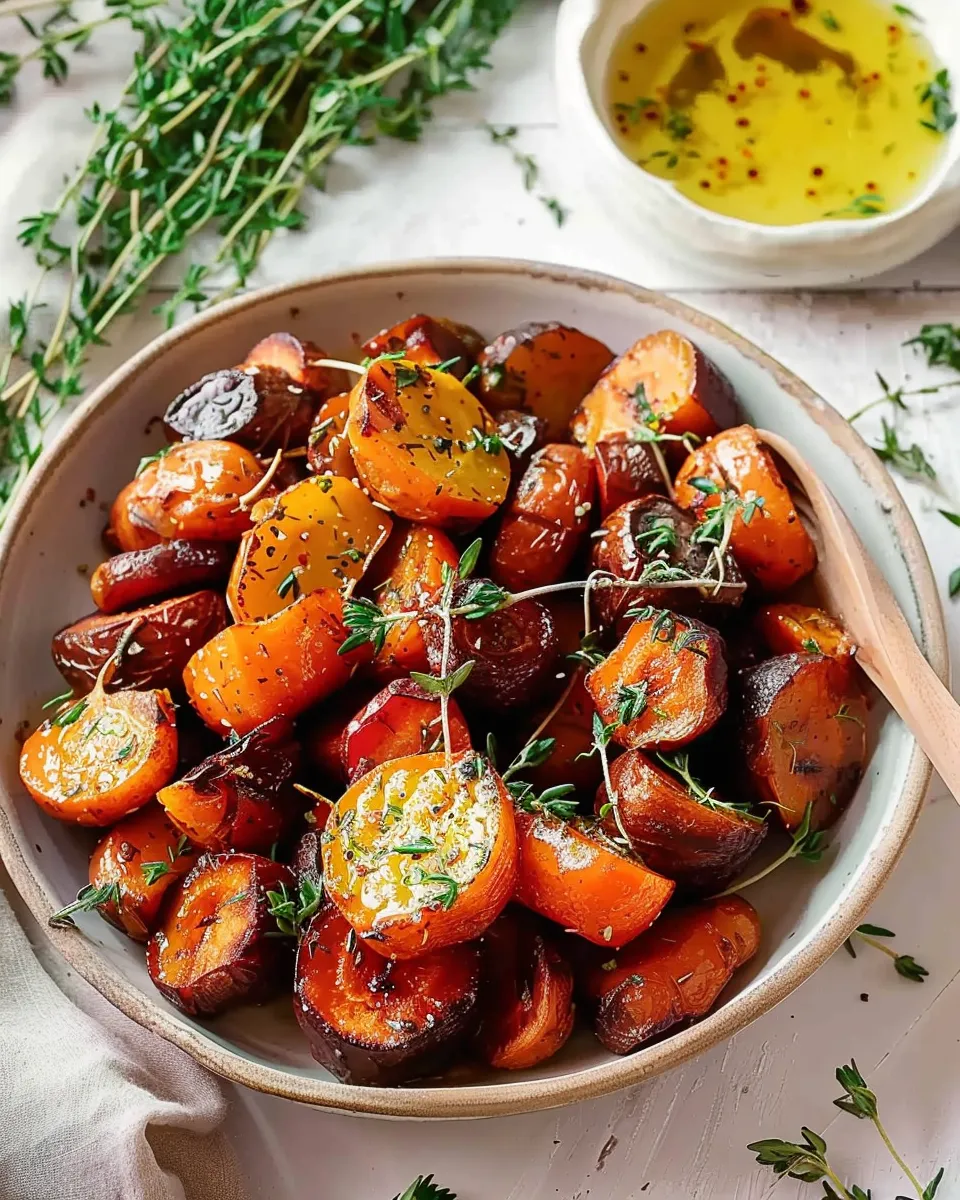
Glazing Root Vegetables: A Step-by-Step Guide
Now that we’ve covered the vegetables and the glaze, it’s time to put it all together. Here’s a step-by-step guide to glazing root vegetables like a pro:
- Prepare the Vegetables: Wash, peel, and chop the root vegetables into uniform sizes. I like to cut them into 1-inch cubes or batons, but you can adjust the size depending on your preference.
- Roast the Vegetables: Toss the vegetables with olive oil, salt, and pepper. Spread them in a single layer on a baking sheet and roast at 400°F (200°C) for 20-25 minutes, or until they are tender-crisp.
- Add the Glaze: Remove the vegetables from the oven and pour the glaze over them. Toss to coat evenly.
- Glaze and Caramelize: Return the vegetables to the oven and roast for another 10-15 minutes, or until they are glazed and caramelized. Keep a close eye on them to prevent burning.
- Serve: Remove the glazed root vegetables from the oven and let them cool slightly before serving. Garnish with fresh herbs, such as parsley or thyme, if desired.
Variations and Flavor Combinations to Explore
One of the best things about glazed root vegetables is their versatility. You can easily customize the recipe to suit your taste preferences and dietary needs. Here are a few variations and flavor combinations to inspire you:
- Honey-Glazed Root Vegetables: Replace the maple syrup with honey for a slightly different flavor profile.
- Spicy Glazed Root Vegetables: Add a pinch of cayenne pepper or a dash of hot sauce to the glaze for a spicy kick.
- Citrus-Glazed Root Vegetables: Add a tablespoon of orange or lemon juice to the glaze for a bright, citrusy flavor.
- Herb-Infused Glazed Root Vegetables: Add fresh herbs, such as rosemary or thyme, to the glaze for a fragrant twist.
- Vegan Glazed Root Vegetables: Replace the butter with vegan butter or olive oil for a plant-based version.
Expert Tips for Perfectly Glazed Root Vegetables
Over the years, I’ve learned a few tricks that can make a big difference in the outcome of your glazed root vegetables. Here are some of my expert tips:
- Choose Vegetables of Similar Density: This will ensure that they cook at the same rate. For example, carrots and parsnips are a good match, while beets might need a bit longer to cook.
- Don’t Overcrowd the Baking Sheet: Overcrowding the baking sheet will cause the vegetables to steam instead of roast, resulting in soggy glazed root vegetables. Make sure to spread them in a single layer.
- Keep a Close Eye on the Glaze: The glaze can burn easily, so keep a close eye on the vegetables during the final roasting stage. If the glaze starts to get too dark, reduce the oven temperature or cover the baking sheet with foil.
- Taste and Adjust the Glaze: Don’t be afraid to adjust the glaze to suit your taste preferences. If you like it sweeter, add more brown sugar or maple syrup. If you prefer a tangier flavor, add more balsamic vinegar.
- Don’t Skip the Roasting Step: Roasting the vegetables before adding the glaze is crucial for developing their flavor and texture. It also helps them absorb the glaze more evenly.
FAQ: Your Glazed Root Vegetable Questions Answered
Can I use frozen root vegetables for this recipe?
While fresh root vegetables are ideal, you can use frozen in a pinch. Just be sure to thaw them completely and pat them dry before roasting to remove excess moisture. They might not have the same texture as fresh, but they’ll still work!
How long will glazed root vegetables last in the refrigerator?
Glazed root vegetables will last for 3-4 days in the refrigerator. Store them in an airtight container to maintain their freshness.
Can I make glazed root vegetables ahead of time?
Yes, you can prepare the vegetables and glaze ahead of time. Store the vegetables in the refrigerator and the glaze in a separate container. When you’re ready to serve, roast the vegetables, add the glaze, and finish roasting as directed.
What other vegetables can I add to glazed root vegetables?
Feel free to experiment with other root vegetables, such as celeriac, Jerusalem artichokes, or even butternut squash. Just keep in mind that different vegetables will have different cooking times.
Can I use a different type of vinegar in the glaze?
Yes, you can substitute balsamic vinegar with apple cider vinegar or red wine vinegar. Keep in mind that the flavor will be slightly different.
Can I grill the root vegetables instead of roasting them?
Absolutely! Grilling the root vegetables will add a smoky flavor that pairs well with the glaze. Just be sure to use a grill basket or foil to prevent them from falling through the grates.
Are glazed root vegetables healthy?
Root vegetables are packed with vitamins, minerals, and fiber. However, the glaze does add some sugar and fat. To make them healthier, you can reduce the amount of sugar in the glaze or use a sugar substitute.
Ready to Glaze? Let’s Get Cooking!
Glazed root vegetables are more than just a side dish; they’re a celebration of seasonal flavors and comforting textures. With this guide, you have everything you need to create perfectly glazed root vegetables that will impress your family and friends. Whether you’re hosting a holiday feast or simply looking for a delicious and healthy side dish, glazed root vegetables are sure to be a hit. So, grab your favorite root vegetables, whip up a batch of glaze, and get ready to experience the magic of glazed root vegetables!
Now that you’ve mastered the art of glazing root vegetables, why not try another delicious side dish? Check out my recipe for Roasted Brussels Sprouts with Balsamic Glaze for another flavor-packed vegetable dish that’s perfect for any occasion. Happy cooking!
`
Luscious Glazed Root Vegetables Easy Flavor Boost

Luscious glazed root vegetables Elevate side dishes easily wthis flavor boost technique Roasting made simple Perfect for any meal
- Prep Time: 15 minutes
- Cook Time: 35 minutes
- Total Time: 50 minutes
- Yield: 6 servings
- Category: Side Dish
- Cuisine: American