There’s nothing quite like the aroma of a perfectly cooked prime rib wafting through the house, especially during the holidays. It’s a showstopper, a centerpiece that embodies celebration and warmth. But let’s be honest, the thought of tackling such a magnificent cut of beef can be intimidating. Fear not! This recipe is your guide to achieving prime rib perfection, every single time. We’re talking a deeply browned, flavorful crust, a tender, juicy interior, and a dining experience your guests will rave about. Get ready to unleash your inner chef and create a prime rib roast that’s truly unforgettable, especially perfect for those upcoming winter gatherings and family feasts. This isn’t just a recipe; it’s a culinary adventure!
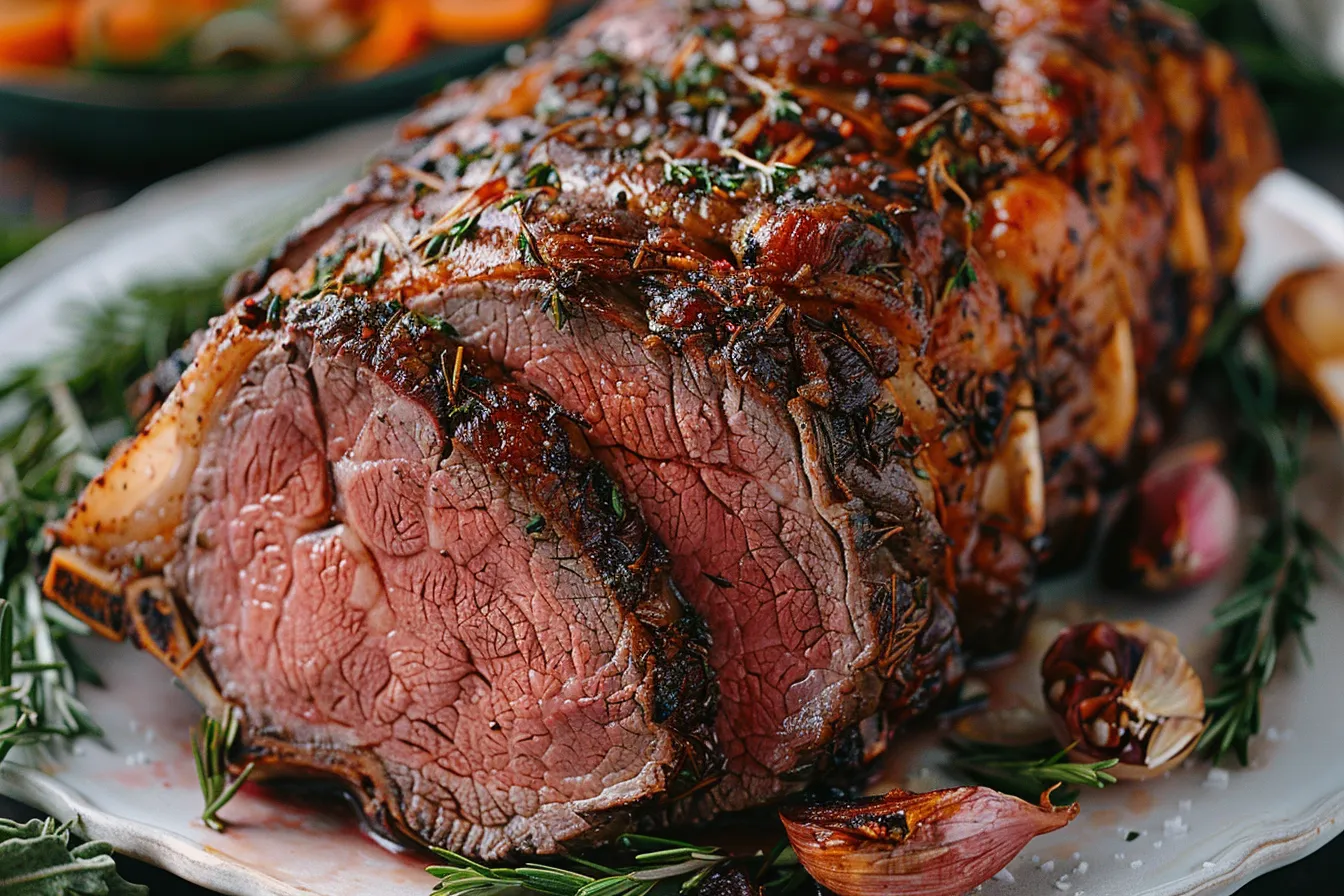
I’ve been roasting prime ribs for over 15 years, perfecting my technique through countless holiday dinners and celebratory feasts. It’s not just about following a recipe; it’s about understanding the science of the meat, the importance of temperature, and the art of achieving that perfect balance of flavor and texture. I’ve experimented with various rubs, cooking methods, and resting periods, and this recipe represents the culmination of all that learning and testing. With the current trend of elevated home cooking and focus on high-quality ingredients, mastering the prime rib roast is a skill that will undoubtedly impress and delight.
Ingredients
Let’s break down the star players and supporting cast that will make your prime rib roast sing!
- Prime Rib Roast: The heart of the matter. Aim for a 3-7 bone-in roast for maximum flavor and juiciness. The bone adds incredible depth to the flavor. Look for good marbling (those beautiful streaks of fat) throughout the meat; this is where the flavor resides!
- Kosher Salt: Don’t skimp on the salt! It’s crucial for drawing out moisture and creating that beautiful crust. Kosher salt is preferred because it’s coarser and adheres to the meat better.
- Black Pepper: Freshly cracked black pepper adds a peppery bite that balances the richness of the beef.
- Garlic: A generous amount of minced garlic infuses the roast with its pungent aroma and savory flavor.
- Rosemary: Fresh rosemary sprigs lend an herbaceous note that complements the beef perfectly. Dried rosemary can be used in a pinch, but fresh is best.
- Thyme: Similar to rosemary, fresh thyme adds another layer of herbaceous complexity.
- Olive Oil: Helps the rub adhere to the roast and contributes to a beautiful, browned crust.
- Beef Broth: Used for creating a flavorful au jus (optional but highly recommended!).
- Red Wine (Optional): Adds depth and richness to the au jus.
Ingredient Science & Substitution Tips:
- Salt’s Role: Salt doesn’t just season; it also draws out moisture from the meat, which then evaporates during cooking, concentrating the flavors and creating a crispier crust.
- Herb Swaps: If you don’t have rosemary or thyme, try other herbs like oregano or marjoram. Just be mindful of the flavor profiles and adjust accordingly.
- Garlic Powder Substitute: In a pinch, use garlic powder, but fresh garlic is truly superior.
- Olive Oil Alternative: Any neutral-flavored oil, like canola or vegetable oil, can be substituted for olive oil.
- Bone-in vs. Boneless: A bone-in roast is highly recommended for richer flavor and moisture retention. If you opt for boneless, consider tying the roast to help it maintain its shape during cooking.
Expert Tips
These are the insider secrets I’ve learned over the years that will elevate your prime rib game to the next level:
- Dry Brining is Key: Salt the roast generously at least 24 hours, and up to 72 hours, before cooking. This allows the salt to penetrate deep into the meat, resulting in a more flavorful and tender roast.
- Room Temperature Matters: Let the roast sit at room temperature for at least 2 hours before cooking. This ensures more even cooking.
- Use a Meat Thermometer: Don’t rely on guesswork! A reliable meat thermometer is essential for achieving your desired level of doneness.
- Sear it Right: Searing the roast at high heat before and/or after roasting creates that beautiful, flavorful crust.
- Rest is Best: Let the roast rest for at least 30 minutes after cooking. This allows the juices to redistribute, resulting in a more tender and flavorful roast. Don’t skip this step!
- Don’t Overcrowd the Pan: Use a roasting pan that’s large enough to accommodate the roast without overcrowding. This allows for proper air circulation and even cooking.
- Trussing the Roast: Trussing helps the roast maintain a uniform shape, ensuring even cooking.
- Don’t Open the Oven Door: Resist the urge to peek! Opening the oven door releases heat and can prolong cooking time.
My Testing Notes: I’ve found that searing the roast after roasting yields a slightly more even crust. I also prefer using a combination of rosemary and thyme for a balanced herbaceous flavor. Experiment with different levels of garlic to find your perfect balance.
Pro Insights: Consider using a wire rack inside the roasting pan to elevate the roast and promote even cooking. You can also add aromatics like onions, carrots, and celery to the bottom of the pan to create a flavorful base for the au jus.
Storage & Substitutions
Storage:
- Leftover Prime Rib: Store leftover prime rib in an airtight container in the refrigerator for up to 3-4 days.
- Freezing: For longer storage, wrap individual slices of prime rib tightly in plastic wrap, then place them in a freezer bag. Freeze for up to 2-3 months.
Reheating:
- Oven: The best way to reheat prime rib is in a low oven (250°F) with a little beef broth to keep it moist.
- Microwave: Microwave in short intervals, checking frequently to avoid overcooking.
- Sous Vide: For a super tender reheat, try sous vide!
Substitutions:
- No Red Wine: If you don’t have red wine, you can use more beef broth or a splash of balsamic vinegar in the au jus.
- Fresh Herbs: If you only have dried herbs, use about 1 teaspoon of dried herbs for every tablespoon of fresh herbs.
- Roasting Pan: If you don’t have a roasting pan, you can use a large baking sheet with a wire rack.
- Prime Rib: While it’s not quite the same, a ribeye roast can be used as a substitute for prime rib.
FAQ
What temperature should my prime rib be for medium-rare?
For a perfect medium-rare prime rib, aim for an internal temperature of 130-135°F (54-57°C). Remember that the temperature will continue to rise slightly as the roast rests.
How long should I let my prime rib rest?
Resting is crucial! Let your prime rib rest for at least 30 minutes, or even up to an hour. This allows the juices to redistribute, resulting in a more tender and flavorful roast. Tent it loosely with foil to keep it warm.
How do I make the perfect au jus?
Deglaze the roasting pan with red wine (optional) and beef broth after removing the roast. Scrape up all the browned bits from the bottom of the pan. Simmer over medium heat until slightly reduced. Strain the au jus through a fine-mesh sieve for a smooth sauce. Season with salt and pepper to taste.
Can I cook my prime rib ahead of time?
You can cook your prime rib a day ahead of time, but it’s best to slightly undercook it. Reheat it gently in a low oven with beef broth to prevent it from drying out.
How much prime rib should I buy per person?
A good rule of thumb is to buy about 1 pound of bone-in prime rib per person. This allows for generous portions and leftovers (if you’re lucky!).
What are some good side dishes to serve with prime rib?
Classic side dishes for prime rib include mashed potatoes, roasted vegetables (like asparagus, Brussels sprouts, or carrots), Yorkshire pudding, creamed spinach, and horseradish sauce.
What’s the best way to carve a prime rib?
Use a sharp carving knife to slice the prime rib against the grain. This will make it more tender and easier to chew. Aim for slices that are about 1/4-inch thick.
Congratulations! You’re now equipped with the knowledge and confidence to create a PERFECT prime rib roast that will impress your family and friends. Remember, it’s all about understanding the ingredients, following the steps carefully, and trusting your instincts. Don’t be afraid to experiment and make it your own. So, gather your ingredients, preheat your oven, and get ready to embark on a culinary journey that will result in a truly unforgettable dining experience. Happy roasting!
If you enjoyed this recipe, be sure to check out my other roast recipes, like my Slow Roasted Garlic Chicken or Perfect Pork Loin Roast. And if you try this recipe, please leave a comment below and let me know how it turned out! I love hearing from you!
PrintPerfect Prime Rib Roast
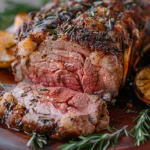
Prime rib roast guide Achieve juicy results w our perfect foolproof tech Learn secrets for a flavorful perfectly cooked roast 152 chars
- Prep Time: 30 minutes
- Cook Time: 2 hours 0 minutes
- Total Time: 2 hours 30 minutes
- Yield: 8-10 servings
- Category: Main Course
- Cuisine: American
Ingredients
- Prime Rib Roast (3-7 bone-in)
- Kosher Salt
- Black Pepper
- Garlic
- Fresh Rosemary
- Fresh Thyme
- Olive Oil
- Beef Broth
- Red Wine (Optional)
Instructions
- Salt the roast generously at least 24 hours before cooking.
- Let the roast sit at room temperature for at least 2 hours before cooking.
- Sear the roast at high heat before and/or after roasting.
- Roast until desired internal temperature is reached (130-135°F for medium-rare).
- Let the roast rest for at least 30 minutes after cooking.
- Deglaze the roasting pan with red wine (optional) and beef broth to make au jus.