There’s something undeniably impressive about a Beef Wellington. The golden, flaky pastry encasing a perfectly cooked, tender beef tenderloin… it’s a dish that speaks of celebration, of culinary artistry, and of pure, unadulterated indulgence. As the holiday season approaches, and families gather around the table, a Beef Wellington is not just a meal; it’s an experience, a memory in the making. But fear not, aspiring chefs! While it may seem daunting, crafting a truly exquisite Beef Wellington is within your reach. I’m here to guide you through each step, sharing my tips, tricks, and secrets honed over years of perfecting this culinary masterpiece.
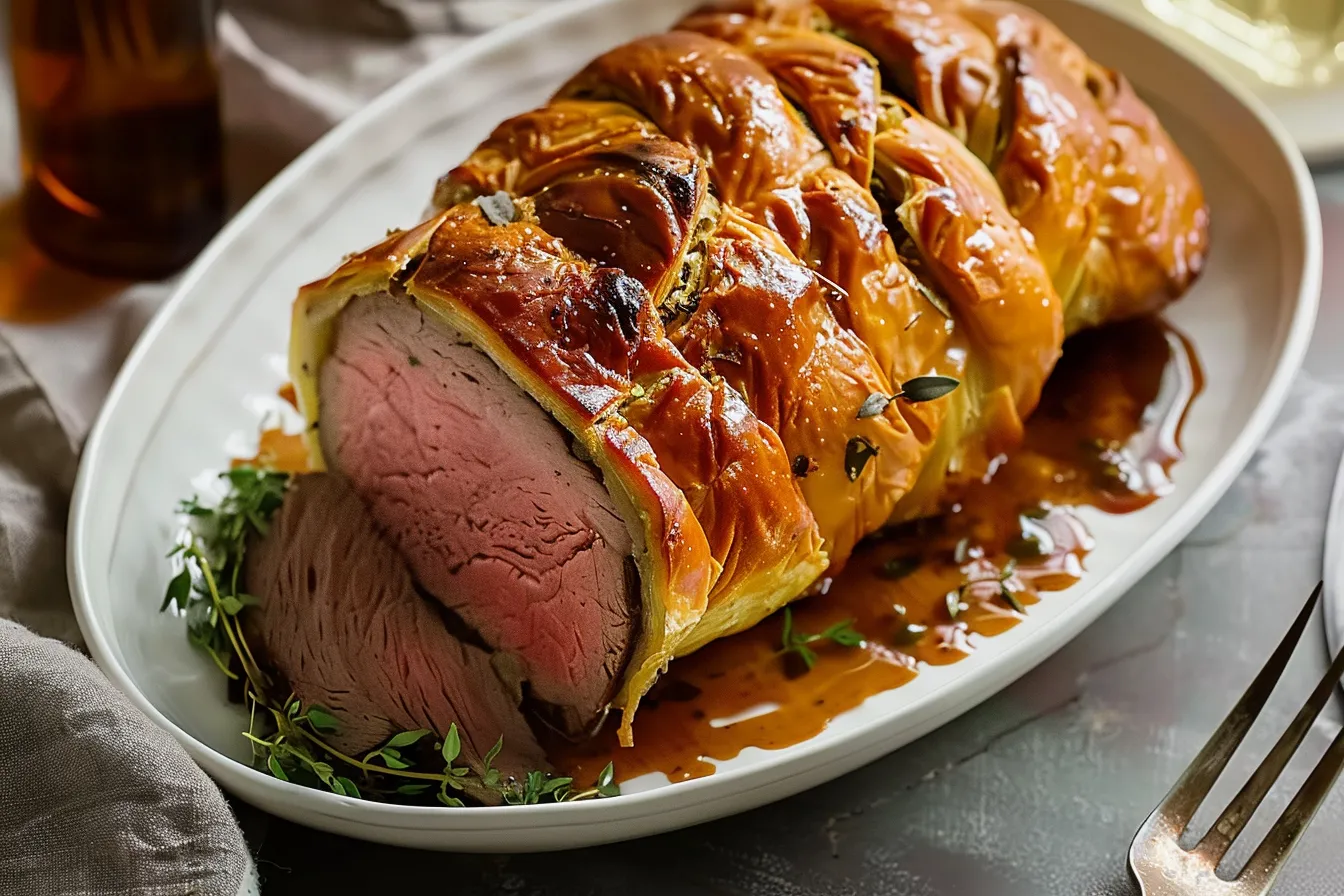
My journey with the Beef Wellington started with a childhood memory of my grandmother’s elaborate holiday dinners. While she never actually made a Beef Wellington, the spirit of her generosity and the grandness of those meals inspired me to tackle this iconic dish. This recipe is a culmination of countless hours spent experimenting, testing, and refining, always striving for that perfect balance of flavor and texture. Today, I’m thrilled to share that knowledge with you, ensuring your own Beef Wellington is a resounding success.
So, let’s embark on this culinary adventure together. This Beef Wellington recipe is updated for 2024 with tips on sourcing the best ingredients, mastering the cooking techniques, and ensuring a show-stopping presentation. Get ready to create a truly unforgettable meal that will have your guests raving!
Ingredients: The Foundation of Flavor
The quality of your ingredients is paramount when making Beef Wellington. Each component plays a vital role in the final outcome, so choose wisely and don’t compromise on quality. Here’s a breakdown of what you’ll need:
- Beef Tenderloin (2-3 lbs): Look for a center-cut piece, well-trimmed of silverskin. The tenderloin should be uniform in thickness for even cooking. The tenderness of the beef tenderloin makes or breaks this dish, as you want each bite to be succulent and easy to chew. Opting for organic or grass-fed can elevate the flavor profile.
- Duxelles (1 lb Mushrooms, finely chopped): This mushroom paste is a crucial layer of flavor. Use a mix of cremini and shiitake mushrooms for depth. Experiment with adding a splash of Madeira or sherry for extra richness. Mushrooms are packed with umami, and cooking them down intensifies their savory notes.
- Prosciutto (8-10 slices, thinly sliced): Prosciutto acts as a barrier, preventing the pastry from becoming soggy and adding a salty, savory element. Parma ham or other high-quality cured ham can be substituted. Look for thinly sliced prosciutto with good marbling.
- Puff Pastry (2 sheets, all-butter): All-butter puff pastry is essential for that flaky, golden crust. Thaw it properly according to package directions. Store-bought is perfectly acceptable, but homemade is a labor of love.
- Dijon Mustard (2-3 tablespoons): A thin layer of Dijon mustard adds a tangy counterpoint to the richness of the beef and duxelles. Use a high-quality Dijon for the best flavor.
- Egg Wash (1 egg, beaten with 1 tablespoon water): This gives the pastry a beautiful golden sheen.
- Olive Oil: For searing the beef tenderloin.
- Salt and Black Pepper: To season the beef and duxelles. Freshly ground black pepper is recommended.
- Fresh Thyme and Rosemary: These herbs add aromatic complexity to the duxelles.
Ingredient Science and Substitution Tips:
- Beef Tenderloin: If beef tenderloin is unavailable, you could use a high-quality sirloin roast, but be mindful of potential differences in cooking time.
- Mushrooms: If you don’t have access to a variety of mushrooms, cremini mushrooms will work well on their own.
- Prosciutto: Pancetta is a good alternative to prosciutto, offering a similar salty and savory flavor.
- Puff Pastry: If you’re in a pinch, a pre-made pie crust can be used, although the texture will be different.
Expert Tips for Wellington Perfection
These tips are gleaned from years of trial and error, guaranteeing your Beef Wellington is the star of the show:
- Sear it Right: A good sear is crucial for flavor and texture. Use a hot pan and don’t overcrowd it. Sear all sides of the tenderloin until deeply browned. This process, called the Maillard reaction, creates complex flavors and seals in juices.
- Dry Duxelles is Key: Ensure your duxelles is as dry as possible to prevent a soggy bottom. Squeeze out any excess moisture after cooking.
- Chill Time is Your Friend: Chilling the wrapped Wellington before baking helps the pastry firm up and prevents it from shrinking during baking.
- Temperature Matters: Use a meat thermometer to ensure your beef is cooked to the perfect internal temperature. Medium-rare (125-130°F) is ideal.
- Rest and Relax: Allow the Wellington to rest for at least 10 minutes after baking before slicing. This allows the juices to redistribute, resulting in a more tender and flavorful result.
- Presentation is Everything: Before baking, score the top of the pastry with a sharp knife to create a decorative pattern. This also allows steam to escape.
Storage & Substitutions
Leftover Beef Wellington can be stored in the refrigerator for up to 3 days. Reheat gently in a low oven to prevent the pastry from becoming soggy. Freezing is not recommended, as the pastry will lose its texture.
Substitutions:
- Vegetarian Wellington: Substitute the beef tenderloin with a roasted portobello mushroom cap or a hearty vegetable medley wrapped in puff pastry.
- Gluten-Free Wellington: Use gluten-free puff pastry, which is now readily available in most supermarkets.
FAQ: Your Burning Wellington Questions Answered
Can I make Beef Wellington ahead of time?
Yes, you can assemble the Beef Wellington up to 24 hours in advance and store it in the refrigerator. However, it’s best to bake it fresh for the best results.
How do I prevent the pastry from becoming soggy?
Ensure the duxelles is very dry, and use a layer of prosciutto to create a barrier between the beef and the pastry. Chilling the assembled Beef Wellington before baking also helps.
What internal temperature should the beef be?
For medium-rare, aim for an internal temperature of 125-130°F. Use a meat thermometer to ensure accuracy.
What kind of puff pastry should I use?
All-butter puff pastry is recommended for the best flavor and flakiness. Make sure it’s properly thawed before using.
Can I use a different type of mustard?
While Dijon mustard is traditional, you can experiment with other mustards like whole-grain mustard for a different flavor profile.
What can I serve with Beef Wellington?
Beef Wellington pairs well with roasted vegetables, mashed potatoes, or a simple green salad. A rich red wine sauce or a horseradish cream sauce are also excellent accompaniments.
How do I slice Beef Wellington neatly?
Use a sharp, serrated knife and slice with a gentle sawing motion. Allow the Beef Wellington to rest for at least 10 minutes before slicing.
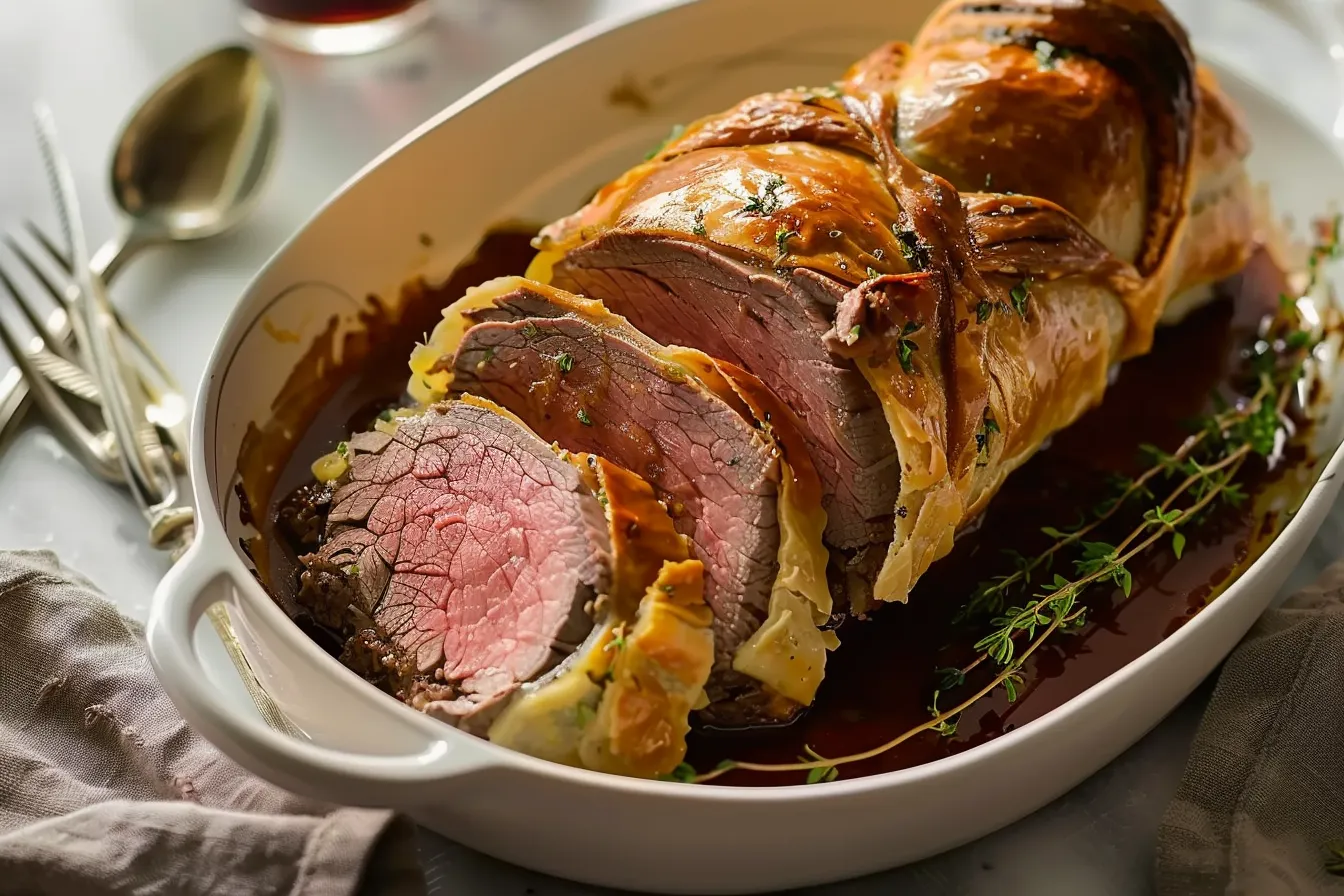
Your Wellington Awaits
Congratulations! You’re now equipped to create a stunning Beef Wellington that will impress your family and friends. Remember, the key is to take your time, follow the instructions carefully, and don’t be afraid to experiment. With a little practice, you’ll be whipping up this culinary masterpiece like a pro.
Now, it’s your turn! I encourage you to try this recipe and share your creations with me. Leave a comment below with your feedback, questions, and photos. Don’t forget to subscribe to my newsletter for more delicious recipes and expert tips. Let’s create some unforgettable culinary memories together!
Enjoyed this recipe? You might also like:
PrintBeef Wellington
Perfect Beef Wellington Recipe tips preparation
- Prep Time: 45 minutes
- minutes: 30
- Cook Time: 40 minutes
- Total Time: 1 hour 25 minutes
- Yield: 6-8 servings
- Category: Main Course
- Cuisine: French
Ingredients
- Beef Tenderloin (2-3 lbs)
- Duxelles (1 lb Mushrooms, finely chopped)
- Prosciutto (8-10 slices, thinly sliced)
- Puff Pastry (2 sheets, all-butter)
- Dijon Mustard (2-3 tablespoons)
- Egg Wash (1 egg, beaten with 1 tablespoon water)
- Olive Oil
- Salt
- Black Pepper
- Fresh Thyme
- Fresh Rosemary
Instructions
- Sear the beef tenderloin on all sides in a hot pan with olive oil until deeply browned.
- Prepare the duxelles by cooking the finely chopped mushrooms with thyme, rosemary, salt, and pepper until all moisture is evaporated.
- Spread Dijon mustard evenly over the seared beef tenderloin.
- Lay prosciutto slices on a sheet of puff pastry.
- Spread the duxelles evenly over the prosciutto.
- Place the beef tenderloin on top of the duxelles and prosciutto.
- Wrap the beef tenderloin tightly in the puff pastry, sealing the edges with egg wash.
- Chill the wrapped Beef Wellington for at least 30 minutes.
- Brush the Beef Wellington with egg wash and score the top with a sharp knife.
- Bake at 400°F (200°C) for 35-40 minutes, or until the pastry is golden brown and the internal temperature of the beef reaches 125-130°F for medium-rare.
- Let rest for 10 minutes before slicing and serving.