Imagine the holidays. The aroma of perfectly roasted prime rib fills your home, a symphony of savory herbs and rich, beefy goodness. The centerpiece of your festive table, a succulent and juicy No Peek Prime Rib Roast, cooked to tender perfection without ever opening the oven door. This isn’t just a recipe; it’s a foolproof technique that guarantees a show-stopping main course, freeing you up to actually enjoy the celebration! As the holidays approach, everyone is looking for ways to make their gatherings less stressful. This method takes the guesswork out of roasting a prime rib, yielding consistently impressive results every time.

I’ve been cooking professionally for over 15 years, and after countless prime rib attempts – some glorious, some less so – I’ve landed on this “No Peek” method as the absolute best. It’s simple, reliable, and delivers a consistently juicy and flavorful roast, even for beginner cooks. Plus, the minimal hands-on time means more time spent with loved ones, and less time glued to the oven! Let’s unwrap the secrets to this method that is taking the culinary world by storm!
Ingredients for No Peek Prime Rib Perfection
The beauty of this recipe lies in its simplicity. Quality ingredients and the right technique are key.
- Prime Rib Roast: Choose a bone-in roast for maximum flavor and moisture retention. Look for good marbling (flecks of fat within the muscle) – this is what contributes to the tenderness and richness. A 4-7 pound roast will serve 6-10 people.
- Kosher Salt: Don’t skimp! A generous salt crust is essential for drawing out moisture and creating a beautiful, flavorful bark. Kosher salt’s larger crystals adhere well to the meat.
- Black Pepper: Freshly cracked black pepper provides a robust, aromatic counterpoint to the richness of the beef.
- Garlic Powder: A pantry staple that adds a subtle garlicky note throughout the roast.
- Onion Powder: Like garlic powder, onion powder adds depth of flavor and complements the other seasonings.
- Dried Thyme: Thyme’s earthy, slightly lemony flavor enhances the savory notes of the beef.
- Dried Rosemary: Rosemary adds a fragrant, piney aroma that pairs beautifully with prime rib.
- Beef Broth: Use a high-quality beef broth for pan drippings to create a delicious au jus.
Ingredient Science & Substitution Tips:
- Salt’s Role: Salt draws moisture to the surface of the meat, which then evaporates during cooking, concentrating the flavors and creating a crisp crust.
- Herb Variations: Feel free to experiment with other herbs like oregano, savory, or a touch of smoked paprika for a smoky note.
- Garlic Lovers: Fresh garlic cloves, minced and rubbed onto the roast, can be substituted for garlic powder.
- No Beef Broth? Chicken broth can be used in a pinch, but beef broth provides the most authentic flavor for the au jus. A dry red wine can be added to the broth for extra depth.
- Bone-In vs. Boneless: Bone-in is preferred for flavor and moisture. If using boneless, tie the roast tightly with kitchen twine to help it maintain its shape during cooking.
Expert Tips for No-Fail Prime Rib
These tips are gleaned from years of testing and tweaking this recipe to ensure consistent, delicious results.
- Room Temperature is Key: Take the roast out of the refrigerator 2-4 hours before cooking. This allows the meat to cook more evenly.
- Don’t Be Shy with the Seasoning: Generously coat the entire roast with the salt and spice mixture. It may seem like a lot, but it’s necessary for creating that flavorful crust.
- Trust the Process: Resist the urge to open the oven door during cooking. The temperature drop will affect the cooking time and can lead to a less evenly cooked roast.
- Thermometer is Your Best Friend: Use a reliable meat thermometer to monitor the internal temperature. Insert it into the thickest part of the roast, avoiding the bone.
- The Rest is Crucial: Letting the roast rest allows the juices to redistribute throughout the meat, resulting in a more tender and flavorful final product. Tent loosely with foil during resting.
- Don’t Discard the Fat: Save the rendered fat from the roasting pan. It’s perfect for roasting vegetables or adding flavor to soups and sauces.
- Gravy Upgrade: Add a tablespoon of balsamic vinegar or Worcestershire sauce to the au jus for extra depth and complexity.
FAQ: Your Prime Rib Questions Answered
How long do I cook a prime rib roast using the No Peek method?
The cooking time depends on the size of your roast. A good rule of thumb is 4-7 pounds: 5 minutes per pound at 500°F (260°C), then turn off the oven and leave it closed for 2 hours. Refer to a temperature chart for your desired level of doneness.
What internal temperature should I aim for?
For rare, aim for 120-125°F (49-52°C). Medium-rare is 130-135°F (54-57°C), medium is 135-140°F (57-60°C), and medium-well is 140-145°F (60-63°C). Remember that the internal temperature will continue to rise slightly during resting.
Can I use this method for other types of roasts?
While this method is specifically designed for prime rib, it can be adapted for other large cuts of beef, such as a ribeye roast. Adjust the cooking time based on the size and desired level of doneness.
What if my oven doesn’t go up to 500°F?
If your oven’s maximum temperature is lower, preheat it to the highest setting possible. The initial sear will still help develop a flavorful crust, though it may not be as pronounced.
How do I make the au jus?
After resting the roast, pour the pan drippings into a fat separator. Skim off the fat and transfer the remaining juices to a saucepan. Add beef broth and bring to a simmer. Season with salt and pepper to taste. Thicken with a cornstarch slurry if desired.
What sides go well with prime rib?
Classic side dishes include roasted potatoes, Yorkshire pudding, creamed spinach, asparagus, and horseradish sauce. A simple green salad also provides a refreshing contrast to the richness of the beef.
Can I prepare the prime rib ahead of time?
You can season the prime rib up to 24 hours in advance and store it in the refrigerator. Allow it to come to room temperature before cooking. Leftover prime rib can be stored in the refrigerator for up to 3 days.

Your Ticket to Prime Rib Success
The No Peek Prime Rib Roast method is a game-changer for anyone looking to impress with a show-stopping holiday centerpiece without the stress and uncertainty. By trusting this simple, yet effective technique, you’ll unlock a world of perfectly cooked, juicy, and flavorful prime rib every single time. So, ditch the guesswork, embrace the ease, and prepare to wow your family and friends with a roast that’s as unforgettable as the memories you’ll create together. Now, go forth and roast! And don’t forget to share your success (and maybe a picture!) in the comments below. Happy cooking!
PrintPrime Rib Roast Recipe
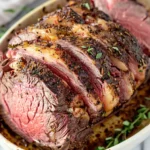
Perfect prime rib Easy roast recipe Delicious simple
- Prep Time: 15 minutes
- Cook Time: 120 minutes
- Total Time: 135 minutes
- Yield: 6-10 servings
- Category: Main Course
- Cuisine: American
Ingredients
- Prime Rib Roast (4-7 pound, bone-in)
- Kosher Salt
- Black Pepper (freshly cracked)
- Garlic Powder
- Onion Powder
- Dried Thyme
- Dried Rosemary
- Beef Broth
Instructions
- Take the roast out of the refrigerator 2-4 hours before cooking. Preheat oven to 500°F (260°C).
- Generously coat the entire roast with kosher salt, black pepper, garlic powder, onion powder, dried thyme, and dried rosemary.
- Place the roast on a roasting rack in a roasting pan.
- Roast for 5 minutes per pound at 500°F (260°C).
- Turn off the oven and leave the roast inside with the oven door closed for 2 hours. Do not open the oven door during cooking.
- After 2 hours, use a meat thermometer to check the internal temperature. For rare, aim for 120-125°F (49-52°C). Medium-rare is 130-135°F (54-57°C), medium is 135-140°F (57-60°C), and medium-well is 140-145°F (60-63°C).
- Remove the roast from the oven and let it rest for at least 30 minutes, tenting loosely with foil. This allows the juices to redistribute throughout the meat.
- While the roast is resting, prepare the au jus. Pour the pan drippings into a fat separator. Skim off the fat and transfer the remaining juices to a saucepan. Add beef broth and bring to a simmer. Season with salt and pepper to taste. Thicken with a cornstarch slurry if desired.
- Slice the prime rib roast and serve with au jus.
Notes
A foolproof technique for cooking a perfectly juicy and flavorful No Peek Prime Rib Roast, the centerpiece of your festive table. This method guarantees a show-stopping main course with minimal hands-on time.