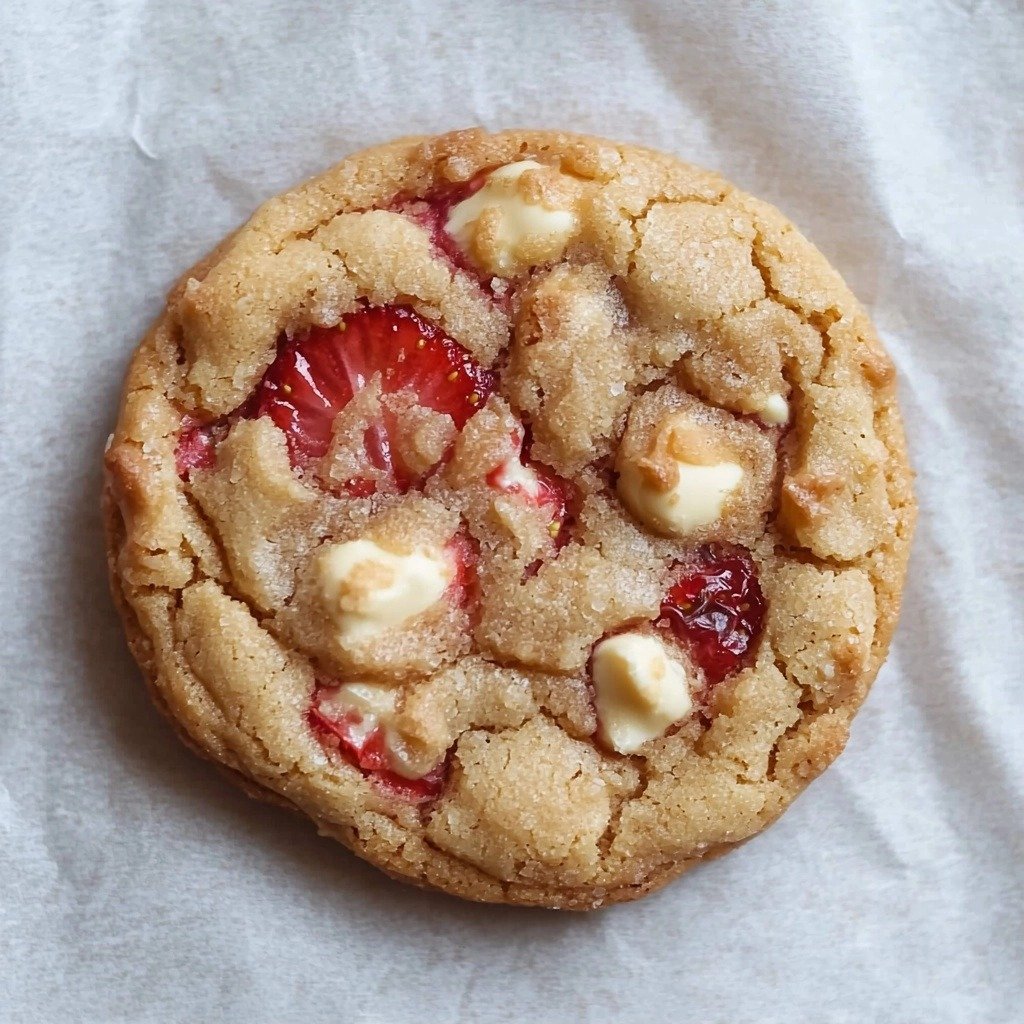
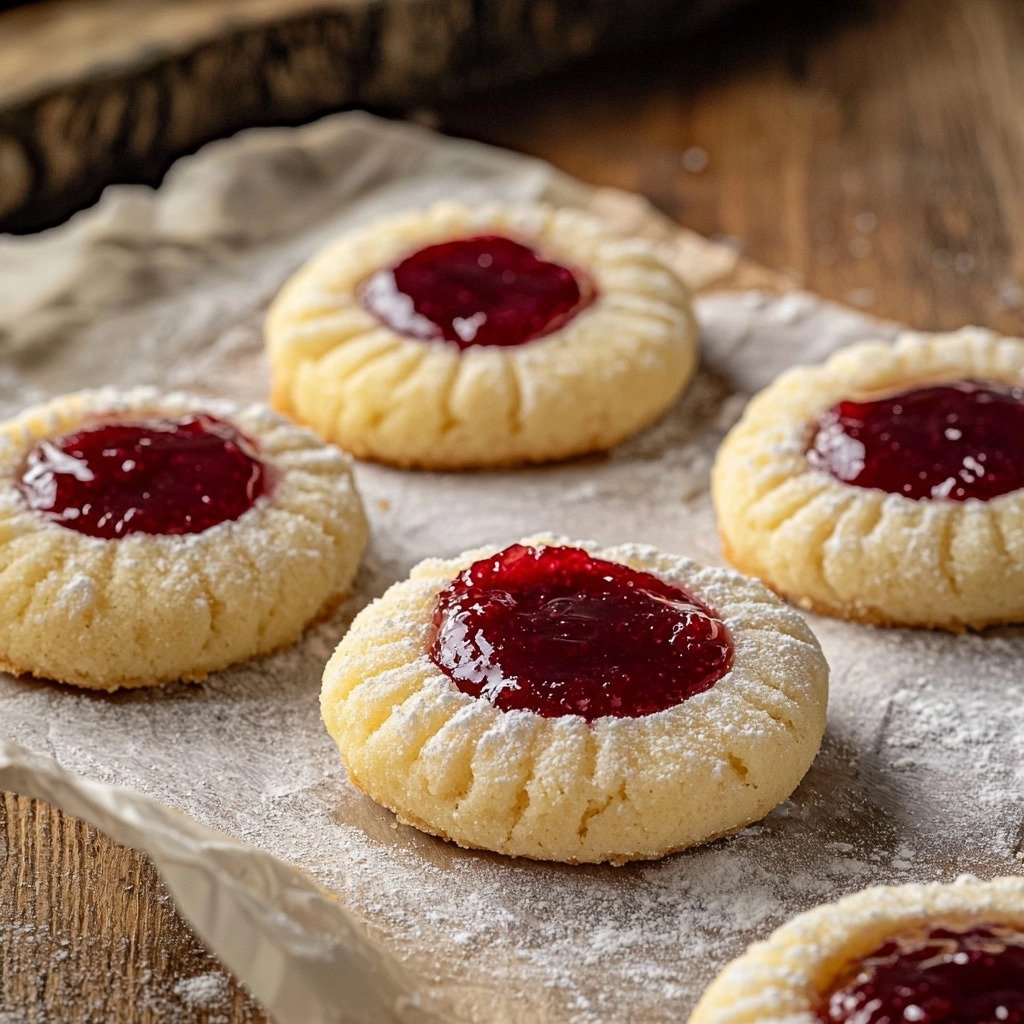
Is there anything that screams “Christmas” quite like the buttery, melt-in-your-mouth goodness of Christmas shortbread cookies? These simple yet elegant treats have graced holiday tables for generations, and for good reason. Their understated sweetness and delicate crumb make them the perfect accompaniment to a cup of hot cocoa or a festive glass of wine. And let’s be honest, who can resist a cookie adorned with sprinkles and a dusting of powdered sugar?
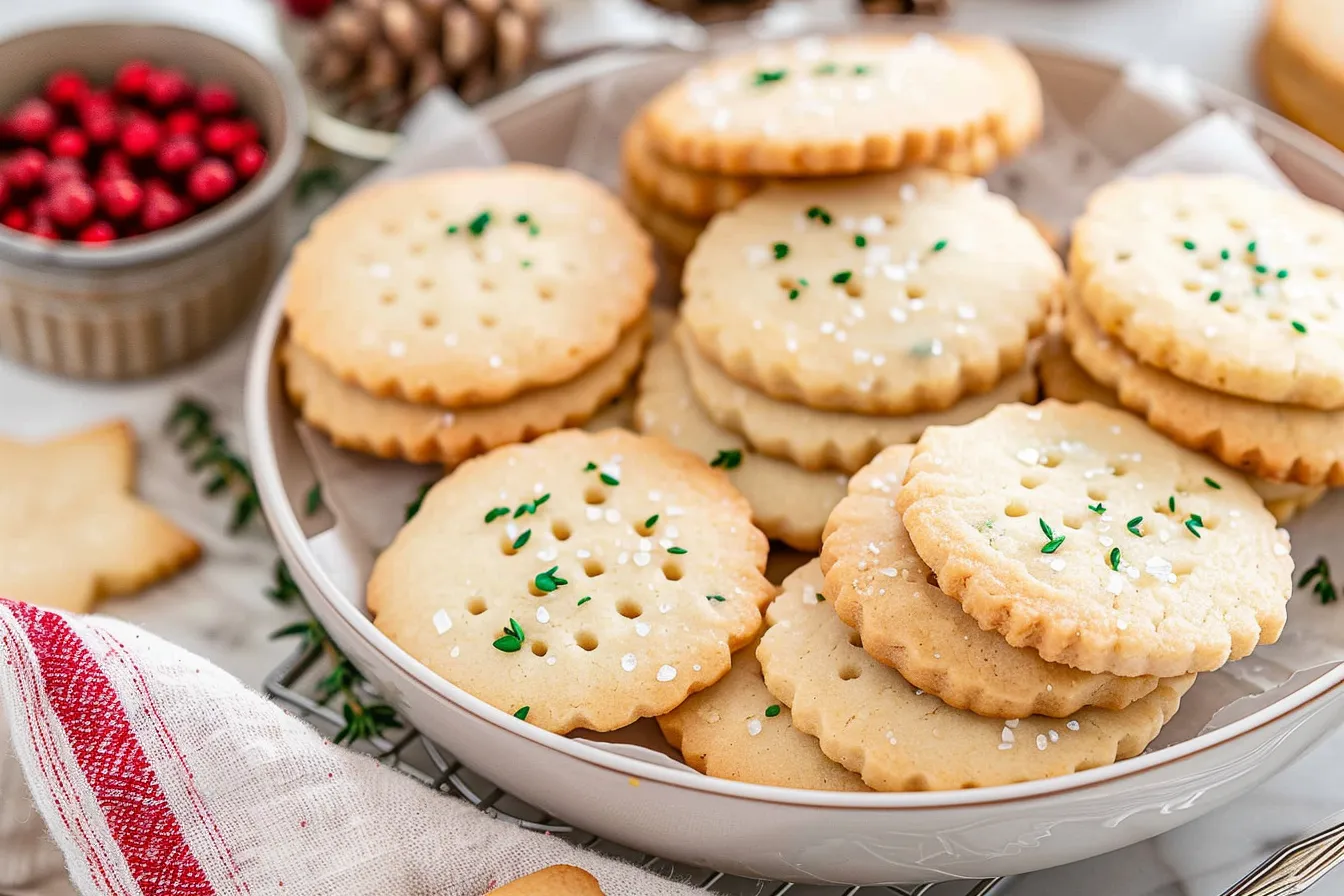
This year, I’m sharing my foolproof recipe for Christmas shortbread cookies, perfected over years of holiday baking. It’s a recipe that’s both easy enough for beginner bakers and impressive enough for seasoned pros. We’ll focus on achieving that perfect texture – crumbly yet tender, and rich with butter flavor. Plus, I’ll show you my favorite decorating techniques to make your cookies truly special. Get ready to embrace the festive spirit and create some edible holiday magic! This recipe is updated for 2024 with tips for using the best ingredients for the most flavorful cookies.
I’ve been baking shortbread cookies for as long as I can remember. My grandmother taught me the secrets to achieving that perfect texture. From then on, baking shortbread has been a cherished part of our holiday celebrations, and I’m thrilled to share my knowledge with you.
Ingredients for Perfect Christmas Shortbread
The beauty of shortbread lies in its simplicity. With just a handful of ingredients, you can create a truly exquisite cookie. However, the quality of those ingredients makes all the difference.
- All-Purpose Flour: Provides structure to the cookies. I recommend using unbleached all-purpose flour for the best flavor.
- Unsalted Butter: The star of the show! Use high-quality, cold butter for the most tender crumb. The butter’s fat content is what gives shortbread its signature richness. Some recipes call for salted butter, if you prefer, then leave out the added salt.
- Granulated Sugar: Adds sweetness and helps create that delicate, sandy texture.
- Powdered Sugar: Some recipes use powdered sugar or confectioners’ sugar in addition to granulated sugar to create an even more tender texture. Powdered sugar contains cornstarch, which inhibits gluten development, contributing to the cookie’s crumbly quality.
- Vanilla Extract: Enhances the other flavors and adds a touch of warmth. Use pure vanilla extract for the best results.
- Salt: A pinch of salt balances the sweetness and enhances the overall flavor profile.
- Optional Decorations: Sprinkles, sanding sugar, icing, chocolate – get creative and make them festive!
Ingredient Science and Substitution Tips:
- Flour: For a slightly more tender cookie, substitute 1/4 cup of the all-purpose flour with cornstarch. This will further inhibit gluten development.
- Butter: Margarine is not recommended for shortbread, as it lacks the flavor and fat content of butter. For a dairy-free option, you can try using a vegan butter substitute, but be sure to choose one that has a high fat content.
- Sugar: You can substitute brown sugar for granulated sugar for a slightly different flavor profile. The cookies will be slightly chewier and have a molasses flavor.
- Vanilla Extract: Almond extract or lemon extract can be used as a substitute for vanilla extract.
Expert Tips for Shortbread Success
Baking shortbread is a rewarding experience, but there are a few key things to keep in mind to ensure your cookies turn out perfectly every time.
Keep the Butter Cold
This is crucial for achieving that signature crumbly texture. Cold butter inhibits gluten development, resulting in a tender cookie. Cut the butter into small cubes and keep it refrigerated until ready to use.
Don’t Overmix the Dough
Overmixing develops gluten, which will result in a tough cookie. Mix the dough just until it comes together. It should be slightly crumbly.
Chill the Dough
Chilling the dough allows the butter to firm up, which will prevent the cookies from spreading too much in the oven. Wrap the dough tightly in plastic wrap and chill for at least 30 minutes, or up to 2 hours.
Roll the Dough Evenly
Use a rolling pin to roll the dough to an even thickness. This will ensure that the cookies bake evenly.
Use Cookie Cutters Wisely
When using cookie cutters, dip them in flour before each cut to prevent sticking. Reroll the scraps of dough as few times as possible to avoid overworking the gluten.
Bake Low and Slow
Baking shortbread at a low temperature for a longer period of time helps to develop the flavor and ensures that the cookies are cooked through without browning too much. Watch the cookies carefully and remove them from the oven when they are lightly golden brown around the edges.
Let Cool Completely
Allow the cookies to cool completely on the baking sheet before transferring them to a wire rack. Shortbread cookies are delicate when warm and can easily break.
Storage and Reheating (if needed)
Storage:
- Store baked shortbread cookies in an airtight container at room temperature for up to a week.
- For longer storage, freeze the cookies in an airtight container for up to 2 months. Thaw completely at room temperature before serving.
Shortbread cookies don’t typically need to be reheated. However, if you prefer a slightly warmer cookie, you can microwave them for a few seconds.
FAQ About Christmas Shortbread Cookies
Why is my shortbread so dry?
Dry shortbread is often caused by too much flour or not enough butter. Be sure to measure your flour accurately and use high-quality butter. Overbaking can also lead to dry cookies, so keep a close eye on them in the oven.
Why is my shortbread crumbly?
Crumbly shortbread is usually a result of too much butter or not enough mixing. Make sure your butter is cold, and don’t overmix the dough. The dough should come together but still be slightly crumbly.
Can I make shortbread without butter?
While butter is essential for the authentic flavor and texture of shortbread, you can try using a vegan butter substitute. However, be aware that the flavor and texture may be slightly different. Coconut oil is not a recommended substitute.
Can I freeze shortbread dough?
Yes, shortbread dough can be frozen. Wrap it tightly in plastic wrap and store it in the freezer for up to 2 months. Thaw completely in the refrigerator before rolling and baking.
How do I prevent my shortbread from spreading?
To prevent shortbread from spreading, make sure your butter is cold and chill the dough before baking. Avoid overmixing the dough, as this can develop gluten, which will cause the cookies to spread. Using parchment paper on your baking sheet can also help prevent spreading.
Why are my shortbread cookies tough?
Tough shortbread cookies are typically caused by overmixing the dough, which develops gluten. Mix the dough just until it comes together. Avoid adding too much flour, as this can also contribute to a tougher texture. Another cause can be too little fat, or not enough sugar.
Can I add flavors to shortbread?
Absolutely! Feel free to experiment with different flavors, such as lemon zest, orange zest, almond extract, or spices like cinnamon or cardamom. Add the flavorings to the dough along with the vanilla extract.
More Christmas Baking Recipes to Explore
If you enjoyed this Christmas shortbread cookie recipe, here are some other festive recipes you might like:
Share the Joy of Homemade Shortbread
Christmas shortbread cookies are more than just a treat they’re a symbol of holiday tradition and shared joy. With this recipe and these tips, you’re well-equipped to bake perfect shortbread cookies that will delight your family and friends. So gather your ingredients, preheat your oven, and get ready to create some edible holiday memories!
PrintIrresistible Christmas Shortbread
Classic Christmas shortbread cookies recipe Easy irresistible treats
- Prep Time: 15 minutes
- Cook Time: 15 minutes
- Total Time: 30 minutes
- Yield: 24 cookies
- Category: Cookie
- Cuisine: Christmas
Ingredients
Instructions
Notes
Bake the perfect Christmas shortbread cookies with this foolproof recipe. Learn expert tips for achieving a tender, crumbly texture and festive decorating ideas. Updated for 2024!