Is there anything more comforting than a warm, crumbly scone, fresh from the oven? Especially when paired with a steaming cup of tea? As the days get shorter and the air turns crisp, thoughts of cozy afternoons filled with delicious treats dance in our heads. But for those of us avoiding gluten, finding the perfect scone can be a real challenge. Fear not, my friends! These Gluten-Free Buttery Tea Scones are here to save the day, offering that classic, melt-in-your-mouth texture without a trace of gluten.

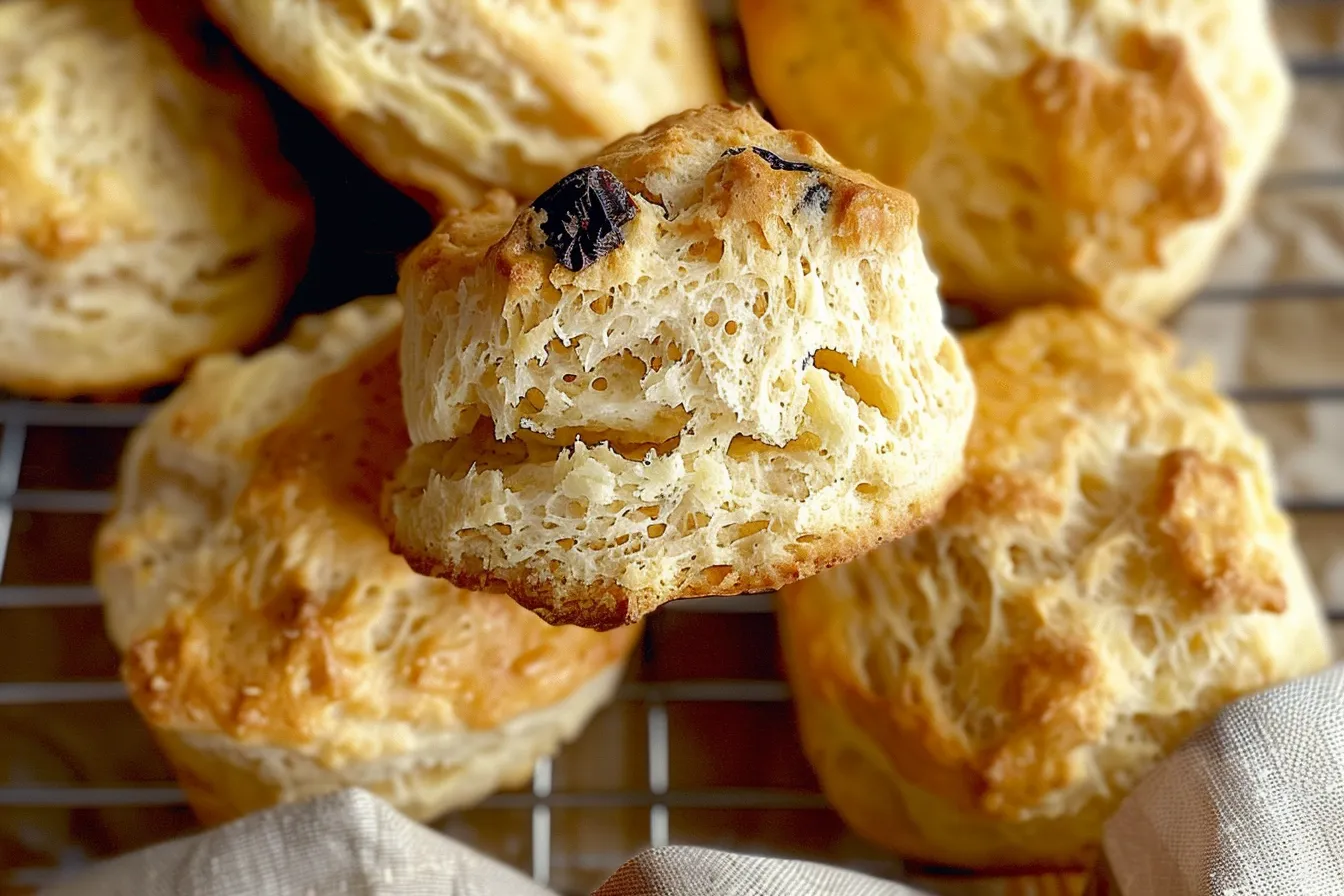
These aren’t your average gluten-free scones. I’ve spent years perfecting this recipe, testing countless flour blends and baking techniques to achieve the perfect balance of flavor and texture. We’re talking tender crumbs, a lightly golden crust, and that unmistakable buttery richness that makes a scone truly irresistible. Plus, they’re surprisingly easy to make, perfect for a weekend baking project or a quick treat on a busy weeknight. So, grab your mixing bowls, preheat your oven, and let’s bake some gluten-free magic together!
These scones are riding on the wave of gluten-free baking, which has exploded in popularity as more people discover sensitivities or simply prefer to avoid gluten. This recipe is designed for Google Discover so it’s full of crave-worthy images, easy instructions, and helpful tips. Get ready to make the best gluten-free scones you’ve ever tasted!
Ingredients
The secret to amazing gluten-free scones lies in the quality of the ingredients and the right blend of flours. Here’s what you’ll need:
- Gluten-Free All-Purpose Flour Blend: This is the foundation of our scones. I recommend using a blend that contains rice flour, tapioca starch, and potato starch for the best texture. Be sure it contains xanthan gum.
- Butter: Cold, unsalted butter is key for creating those flaky layers. The colder, the better!
- Granulated Sugar: For a touch of sweetness and to help with browning.
- Baking Powder: This is our leavening agent, giving the scones their rise. Make sure it’s fresh!
- Salt: A pinch of salt enhances the other flavors.
- Eggs: Help to bind the ingredients and add richness.
- Milk (or Buttermilk): Adds moisture and helps activate the baking powder. Buttermilk will add a tangy flavor.
- Vanilla Extract: Enhances the overall flavor.
Ingredient Science & Substitution Tips:
- Gluten-Free Flour: Different gluten-free flour blends can yield different results. If you’re using a blend you’re unfamiliar with, start by adding slightly less liquid and adjust as needed.
- Butter: Vegan butter can be substituted for dairy butter. Make sure it is cold and firm, mimicking the texture of dairy butter as closely as possible.
- Milk: Dairy-free milk alternatives like almond milk, soy milk, or oat milk can be used in place of regular milk. Note that thinner milks might result in a slightly less rich flavor.
- Eggs: For an egg-free version, try using flax eggs (1 tablespoon of ground flaxseed mixed with 3 tablespoons of water, let sit for 5 minutes).
- Sugar: Coconut sugar can be used as a 1:1 substitute for granulated sugar, adding a slight caramel note.
Expert Tips
Here are some of my tried-and-true tips for making the best gluten-free scones:
- Keep it Cold: The colder the ingredients (especially the butter), the flakier your scones will be. I sometimes even chill the flour and baking powder!
- Don’t Overmix: Overmixing develops gluten (which we don’t want!), resulting in tough scones. Mix just until the ingredients are combined.
- Handle Gently: Gluten-free dough can be delicate. Be gentle when shaping the scones to avoid overworking the dough.
- Bake Hot: A high oven temperature helps the scones rise quickly and creates a lovely golden crust.
- Don’t Skip the Egg Wash: Brushing the scones with an egg wash before baking adds shine and helps them brown evenly.
- Experiment with Flavors: Add dried fruit, nuts, chocolate chips, or spices to customize your scones.
Storage & Serving
Storage:
- Room Temperature: Store baked scones in an airtight container at room temperature for up to 2 days. They are best enjoyed fresh.
- Freezer: For longer storage, freeze the scones in a single layer on a baking sheet until solid, then transfer them to a freezer bag. They can be frozen for up to 2 months. Reheat in a 350°F (175°C) oven until warmed through. You can freeze unbaked scones too; add a couple of minutes to the bake time if baking from frozen.
Serving Suggestions:
- Serve warm with clotted cream and jam for a classic afternoon tea treat.
- Enjoy them with a pat of butter and a drizzle of honey.
- Pair them with a cup of your favorite tea or coffee.
- Make mini scones and serve them as appetizers at a brunch.
This recipe can be enjoyed with other gluten-free treats like our Gluten-Free Chocolate Chip Cookies, Gluten-Free Banana Bread, or our Gluten-Free Brownies.
FAQ
Can I make these scones ahead of time?
Yes, you can prepare the dough ahead of time and store it in the refrigerator for up to 24 hours. Alternatively, you can freeze the unbaked scones and bake them directly from frozen, adding a few extra minutes to the baking time.
What is the best way to reheat these scones?
To reheat scones, wrap them in foil and bake in a preheated oven at 350°F (175°C) for about 10-15 minutes, or until warmed through. You can also microwave them for a few seconds, but they may become slightly softer.
Can I use a different type of milk?
Yes, you can use any type of milk you prefer, including dairy-free options like almond milk, soy milk, or oat milk. Keep in mind that the flavor and texture may vary slightly depending on the type of milk you use.
What if I don’t have buttermilk?
If you don’t have buttermilk on hand, you can easily make a substitute by adding 1 tablespoon of lemon juice or white vinegar to 1 cup of milk. Let it sit for 5 minutes, and it’s ready to use.
Can I add fruit to these scones?
Absolutely! Dried cranberries, blueberries, or raisins are all great additions. Simply fold them into the dough before shaping the scones.
Why are my scones flat?
Flat scones can be caused by several factors, including using old baking powder, overmixing the dough, or not using cold enough butter. Make sure your baking powder is fresh, mix the dough gently, and keep the butter cold for best results.
How do I get my scones to rise higher?
To achieve higher-rising scones, ensure your baking powder is fresh, use cold ingredients, and avoid overmixing the dough. You can also try chilling the shaped scones in the freezer for 15 minutes before baking.
PrintGLUTEN-FREE Tea Scones Recipe
Glutenfree scones Buttery delightful tea scones
- Prep Time: 15 minutes
- Cook Time: 20 minutes
- Total Time: 35 minutes
- Yield: 8 scones
- Category: Dessert
- Cuisine: British
Ingredients
- 2 1/2 cups gluten-free all-purpose flour blend (containing rice flour, tapioca starch, and potato starch and xanthan gum)
- 1/2 cup (1 stick) cold unsalted butter, cut into cubes
- 1/4 cup granulated sugar
- 1 tablespoon baking powder
- 1/2 teaspoon salt
- 1 large egg
- 1/2 cup milk (or buttermilk)
- 1 teaspoon vanilla extract
- 1 large egg for egg wash
Instructions
- Preheat oven to 400°F (200°C). Line a baking sheet with parchment paper.
- In a large bowl, whisk together the gluten-free flour blend, sugar, baking powder, and salt.
- Cut in the cold butter using a pastry blender or your fingertips until the mixture resembles coarse crumbs.
- In a separate small bowl, whisk together the egg, milk (or buttermilk), and vanilla extract.
- Pour the wet ingredients into the dry ingredients and mix until just combined. Do not overmix.
- Turn the dough out onto a lightly floured surface. Gently pat it into a 1-inch thick circle.
- Use a biscuit cutter or a knife to cut out scones. You should get around 8 scones.
- Place the scones onto the prepared baking sheet.
- Brush the top of each scone with egg wash.
- Bake for 18-22 minutes, or until golden brown.
- Let cool slightly before serving. Serve warm with clotted cream and jam, butter, or your favorite toppings.
Notes
These Gluten-Free Buttery Tea Scones offer that classic, melt-in-your-mouth texture without a trace of gluten. Tender crumbs, a lightly golden crust, and that unmistakable buttery richness that makes a scone truly irresistible. Surprisingly easy to make!