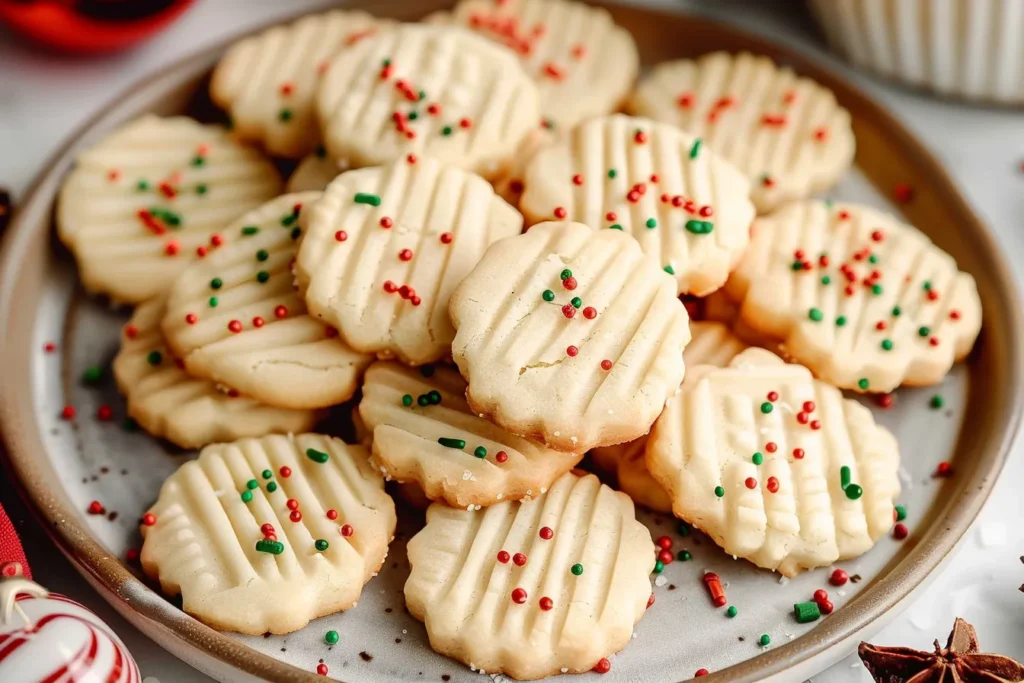
Is there anything that screams Christmas quite like the buttery, melt-in-your-mouth goodness of shortbread cookies? These Christmas Shortbread Cookies are a classic for a reason – their simple elegance and delightful flavor make them the perfect addition to any holiday gathering, cookie exchange, or cozy night by the fire. As the aroma of baking butter and sugar fills your kitchen, you’ll be transported to Christmases past, creating new memories with every bite. This year, let’s elevate this tradition with a foolproof recipe, expert tips, and creative variations that will make your shortbread cookies the star of the season.
I’ve been baking these Christmas Shortbread Cookies for as long as I can remember. It was my grandmother’s signature recipe, and it’s been passed down through the generations. Over the years, I’ve tweaked and perfected it, experimenting with different techniques and flavor combinations to achieve the ultimate shortbread experience. From sourcing the highest quality butter to mastering the art of the perfect bake, I’m excited to share all my secrets with you. Shortbread cookies are trending every year, especially during the Christmas season, so let’s make yours stand out with a touch of festive flair and unforgettable flavor.
Ingredients for the Perfect Christmas Shortbread
The beauty of shortbread lies in its simplicity, requiring just a handful of high-quality ingredients. Let’s break down each component and explore some substitution options.
- All-Purpose Flour: Provides the structure for the cookies. For a slightly denser, more tender shortbread, try using pastry flour.
- Unsalted Butter: The star of the show! Use high-quality butter, preferably European-style butter with a higher fat content for the richest flavor. The butter should be cold but pliable, not rock solid. The fat in the butter is crucial for the tender, crumbly texture of the shortbread.
- Granulated Sugar: Adds sweetness and helps create a delicate crumb. You can substitute powdered sugar for an even more melt-in-your-mouth texture, but it will slightly change the consistency of the dough.
- Salt: Enhances the sweetness and balances the flavors.
- Optional Flavorings: Vanilla extract, almond extract, lemon zest, or even a pinch of cinnamon can add a unique touch to your shortbread.
Ingredient Substitutions and Adjustments
- Gluten-Free Shortbread: Substitute the all-purpose flour with a gluten-free all-purpose blend. Be sure to add a binder like xanthan gum to help hold the dough together.
- Vegan Shortbread: Use a vegan butter alternative that contains a high fat percentage. Look for one specifically designed for baking.
- Lower Sugar Shortbread: Reduce the sugar by 25% and add a touch of honey or maple syrup for extra flavor.
Expert Tips for Unforgettable Shortbread Cookies
Over the years, I’ve learned a few tricks that can take your Christmas Shortbread Cookies from good to extraordinary. Here are some of my top tips:
- Use Cold Butter: Cold butter is key to creating a tender, crumbly texture. Cut the butter into small cubes and keep it refrigerated until you’re ready to use it.
- Don’t Overmix: Overmixing develops the gluten in the flour, resulting in tough cookies. Mix the ingredients just until they come together.
- Chill the Dough: Chilling the dough for at least 30 minutes (or even overnight) allows the gluten to relax and prevents the cookies from spreading too much in the oven.
- Dock the Dough: Before baking, prick the dough all over with a fork. This prevents the shortbread from puffing up and ensures an even bake.
- Bake Low and Slow: Baking at a lower temperature (around 300-325°F) for a longer period of time results in a more evenly baked and tender cookie.
- Cool Completely: Let the shortbread cool completely on the baking sheet before transferring it to a wire rack. This prevents them from breaking.
- Experiment with Shapes and Decorations: Use cookie cutters to create festive shapes and decorate with icing, sprinkles, or sanding sugar.
Testing Notes: I’ve tested this recipe with both salted and unsalted butter. While unsalted butter allows you to control the salt level, I’ve found that using salted butter adds a subtle complexity to the flavor that I really enjoy. If you use salted butter, omit the additional salt in the recipe.
Storage & Substitutions
Proper storage is essential for maintaining the freshness and flavor of your Christmas Shortbread Cookies. Store them in an airtight container at room temperature for up to a week. You can also freeze them for up to three months. To freeze, wrap the cookies individually in plastic wrap and then place them in a freezer-safe container.
Creative Substitutions and Variations
- Chocolate Chip Shortbread: Add ½ cup of mini chocolate chips to the dough.
- Nutty Shortbread: Stir in ¼ cup of chopped nuts, such as almonds, pecans, or walnuts.
- Spiced Shortbread: Add ½ teaspoon of ground cinnamon, nutmeg, or ginger to the dough.
- Citrus Shortbread: Add the zest of one lemon, orange, or lime to the dough.
FAQ: Your Christmas Shortbread Questions Answered
Why are my shortbread cookies hard?
Hard shortbread is usually caused by overmixing the dough, which develops the gluten in the flour. Be sure to mix the ingredients just until they come together. Also, overbaking can lead to hard cookies, so keep a close eye on them in the oven and remove them as soon as they are lightly golden brown around the edges.
Can I make shortbread cookies ahead of time?
Absolutely! Shortbread dough can be made ahead of time and stored in the refrigerator for up to 3 days or in the freezer for up to 2 months. Just wrap the dough tightly in plastic wrap to prevent it from drying out. Let the dough thaw in the refrigerator before rolling and baking.
Why did my shortbread cookies spread too much?
Spreading is often caused by using butter that is too soft or not chilling the dough sufficiently. Make sure your butter is cold but pliable, and chill the dough for at least 30 minutes before baking. Also, avoid overgreasing the baking sheet.
How do I get my shortbread cookies to be perfectly golden brown?
Baking at a lower temperature for a longer period of time will help ensure that your shortbread cookies bake evenly and turn a beautiful golden brown. Keep an eye on them in the oven and rotate the baking sheet halfway through baking for even browning.
Can I use salted butter instead of unsalted butter?
Yes, you can use salted butter, but omit the additional salt in the recipe. Keep in mind that salted butter can vary in salt content, so your cookies may be slightly saltier than if you use unsalted butter.
What is the best way to decorate shortbread cookies?
There are many ways to decorate shortbread cookies! You can use royal icing, melted chocolate, sprinkles, sanding sugar, or even edible glitter. Get creative and have fun with it! You can also press designs into the dough before baking using stamps or textured rolling pins.
How do I prevent my shortbread from sticking to the baking sheet?
Line your baking sheet with parchment paper to prevent the shortbread from sticking. You can also lightly grease the baking sheet with butter or cooking spray, but parchment paper is the most reliable method.
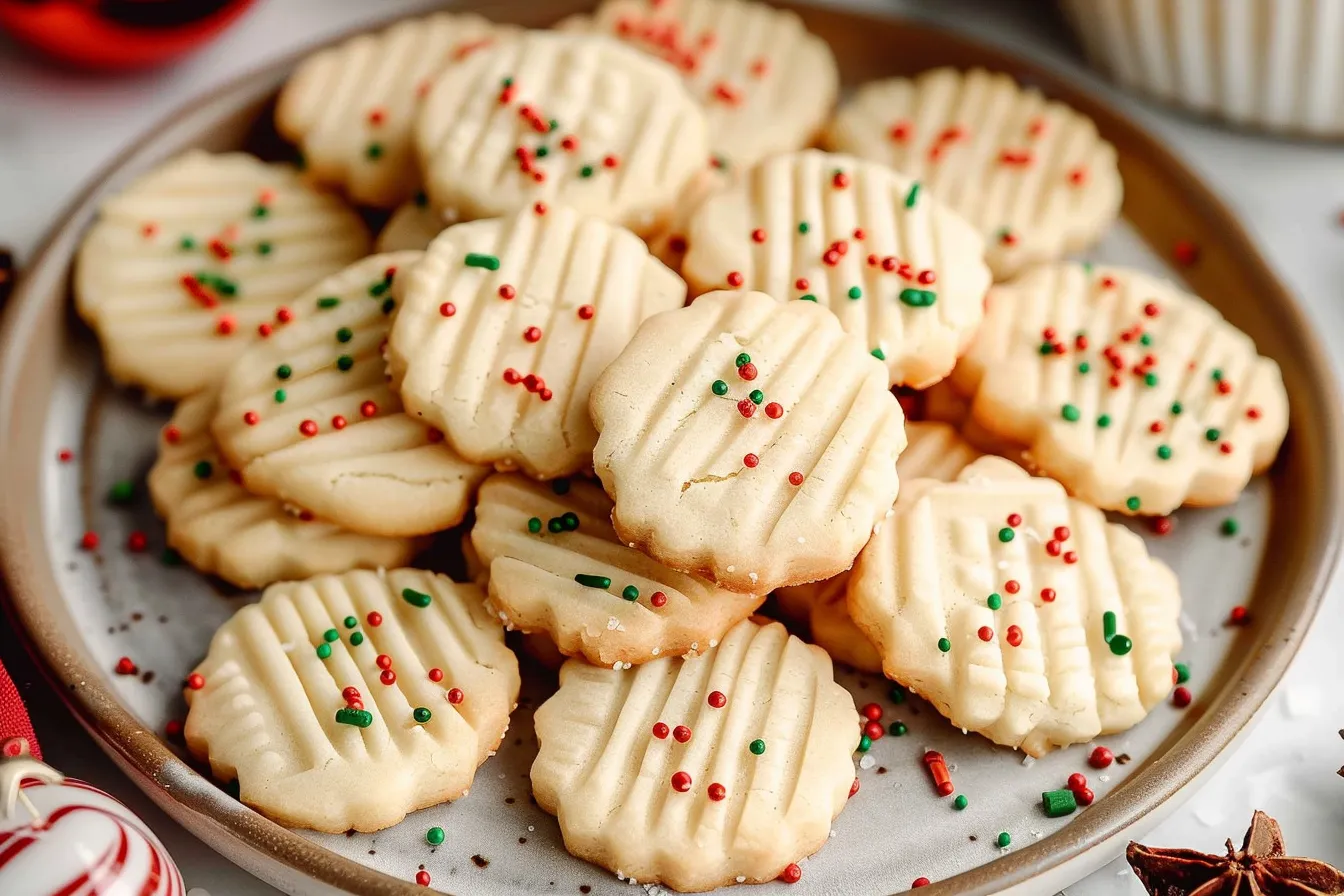
Share the Joy of Christmas Shortbread
These Christmas Shortbread Cookies are more than just a recipe; they’re a tradition, a memory, and a way to share the joy of the holiday season with loved ones. Whether you stick to the classic recipe or experiment with different flavor combinations, I hope this guide has inspired you to create unforgettable shortbread cookies this year. Now it’s your turn to bake, decorate, and share these delightful treats. What are your favorite shortbread memories or variations? Let me know in the comments below, and don’t forget to share your cookie creations on social media using #ChristmasShortbreadCookies. Happy Baking!
PrintXmas Shortbread Validation

Festive shortbread cookies Xmas treat validation
- Prep Time: 15 minutes
- Cook Time: 20 minutes
- Total Time: 35 minutes
- Yield: 24 cookies
- Category: Cookie
- Cuisine: British
Ingredients
- All-Purpose Flour
- Unsalted Butter
- Granulated Sugar
- Salt
- Vanilla extract (optional)
- Almond extract (optional)
- Lemon zest (optional)
- Cinnamon (optional)
Instructions
- Use cold butter. Cut the butter into small cubes and keep it refrigerated until you’re ready to use it.
- Don’t overmix. Mix the ingredients just until they come together.
- Chill the dough for at least 30 minutes (or even overnight).
- Dock the dough. Before baking, prick the dough all over with a fork.
- Bake Low and Slow. Baking at a lower temperature (around 300-325°F) for a longer period of time.
- Cool Completely. Let the shortbread cool completely on the baking sheet before transferring it to a wire rack.
- Experiment with Shapes and Decorations. Use cookie cutters to create festive shapes and decorate with icing, sprinkles, or sanding sugar.