Craving pizza but need to avoid gluten? You’re not alone! For years, I dreamt of a gluten free pizza dough that could rival the real deal: crispy crust, chewy interior, and that unmistakable pizza flavor. After countless attempts, I’ve finally perfected a recipe that delivers exactly that. This isn’t just “good for gluten-free” – it’s simply great pizza. With the holidays approaching, and gatherings on the horizon, this is the perfect time to master this recipe and share the joy of pizza with everyone, regardless of dietary restrictions.

This recipe uses a blend of gluten-free flours to mimic the structure and texture of traditional pizza dough, combined with the right balance of moisture and a little bit of science to achieve pizza nirvana. Get ready to experience a pizza that’s so good, you’ll forget it’s gluten-free!
As a passionate home baker with over a decade of experience experimenting with gluten-free recipes, I’ve poured all my knowledge into this dough. I understand the challenges of gluten-free baking – the crumbly textures, the lack of elasticity – and this recipe addresses those head-on. I’ve extensively tested this recipe, tweaking the ingredients and techniques until it consistently produced a crust that’s both sturdy and delightful. Let’s dive in and create the pizza of your dreams!
Ingredients for the Best Gluten-Free Pizza
Let’s talk ingredients! Each one plays a crucial role in creating the perfect gluten-free pizza crust. Understanding their purpose will help you troubleshoot and even adapt the recipe to your preferences.
- Gluten-Free All-Purpose Flour Blend: This is the foundation. Look for a blend that contains xanthan gum. My favorite brands contain a mix of rice flour, tapioca starch, and potato starch. Different blends absorb liquid differently, so you may need to adjust the water slightly.
- Tapioca Starch: Adds chewiness and elasticity to the crust. It’s essential for achieving that classic pizza texture.
- Instant Yeast: Provides the rise and that characteristic pizza flavor. Make sure it’s fresh for the best results.
- Sugar: Feeds the yeast and helps with browning. A small amount makes a big difference.
- Salt: Enhances the flavor and controls the yeast activity. Don’t skip it!
- Olive Oil: Adds flavor and richness to the dough. It also contributes to a crispy crust.
- Warm Water: Activates the yeast. The water should be warm, not hot (around 105-115°F).
- Apple Cider Vinegar: This is my secret ingredient! A touch of acidity helps to tenderize the dough and improve the texture.
Ingredient Science: Gluten provides structure and elasticity in traditional dough. Since we’re omitting gluten, we need to replace these properties with a combination of flours and starches. Tapioca starch, in particular, helps create that desirable chewiness.
Substitution Tips:
- Gluten-Free Flour Blend: If you can’t find a pre-made blend, you can make your own using equal parts rice flour, tapioca starch, and potato starch. Be sure to add xanthan gum (about 1 teaspoon per cup of flour).
- Tapioca Starch: Can be substituted with cornstarch or arrowroot powder, but the texture might be slightly different.
- Apple Cider Vinegar: White vinegar or lemon juice can be used as a substitute.
Expert Tips for Gluten-Free Pizza Perfection
Over the years, I’ve tested so many gluten-free pizza dough recipes. These are my personal tips that will elevate your pizza to the next level:
- Don’t Overmix: Overmixing gluten-free dough can result in a gummy texture. Mix until just combined.
- Resting is Key: Allow the dough to rest for at least 15 minutes after mixing. This allows the starches to hydrate and improves the texture.
- Pre-Bake the Crust: For an extra crispy crust, pre-bake the crust for 5-7 minutes before adding toppings.
- Use a Pizza Stone or Steel: These tools help to distribute heat evenly and create a crispy bottom crust.
- Don’t Overload Toppings: Too many toppings can make the crust soggy. Less is more!
- Hot Oven is Essential: Bake the pizza in a preheated oven at a high temperature (450-500°F) for the best results.
My Personal Testing Notes: I found that using a kitchen scale to measure the ingredients accurately made a huge difference in the consistency of the dough. Also, experimenting with different gluten-free flour blends helped me find the one that I liked the best. Don’t be afraid to experiment and find what works for you!
FAQ: Your Gluten-Free Pizza Questions Answered
Why is my gluten-free pizza dough so sticky?
Gluten-free dough tends to be stickier than traditional dough because it lacks gluten, which provides structure. Don’t be tempted to add more flour, as this can result in a dry crust. Instead, lightly flour your hands and work surface when handling the dough.
Can I make this dough ahead of time?
Yes! You can prepare the dough and store it in the refrigerator for up to 24 hours. Bring it to room temperature before rolling it out.
What’s the best way to get a crispy gluten-free pizza crust?
Pre-baking the crust is key! Also, using a pizza stone or steel and baking at a high temperature will help to create a crispy crust.
Can I freeze this gluten-free pizza dough?
Yes, you can freeze the dough after it has risen. Divide the dough into individual portions, wrap tightly in plastic wrap, and then place in a freezer bag. Thaw in the refrigerator overnight before using.
What if I don’t have xanthan gum?
Xanthan gum is essential for providing structure in gluten-free baking. If your gluten-free flour blend doesn’t contain it, you’ll need to add it separately. Use about 1 teaspoon per cup of flour.
My pizza crust is too hard. What did I do wrong?
Overbaking can result in a hard crust. Reduce the baking time or lower the oven temperature slightly. Also, make sure you’re not adding too much flour to the dough.
Your Journey to Gluten-Free Pizza Mastery
Congratulations! You’re now equipped to create a gluten free pizza dough that’s truly exceptional. This recipe is more than just a set of instructions; it’s a gateway to enjoying delicious, homemade pizza without compromising your dietary needs. The crispy crust and chewy interior will have everyone begging for more.
Now it’s your turn to get creative! Experiment with different toppings, share your creations with friends and family, and most importantly, enjoy the process. Be sure to share your pizza masterpieces on social media and tag me! Let’s spread the gluten-free pizza love!
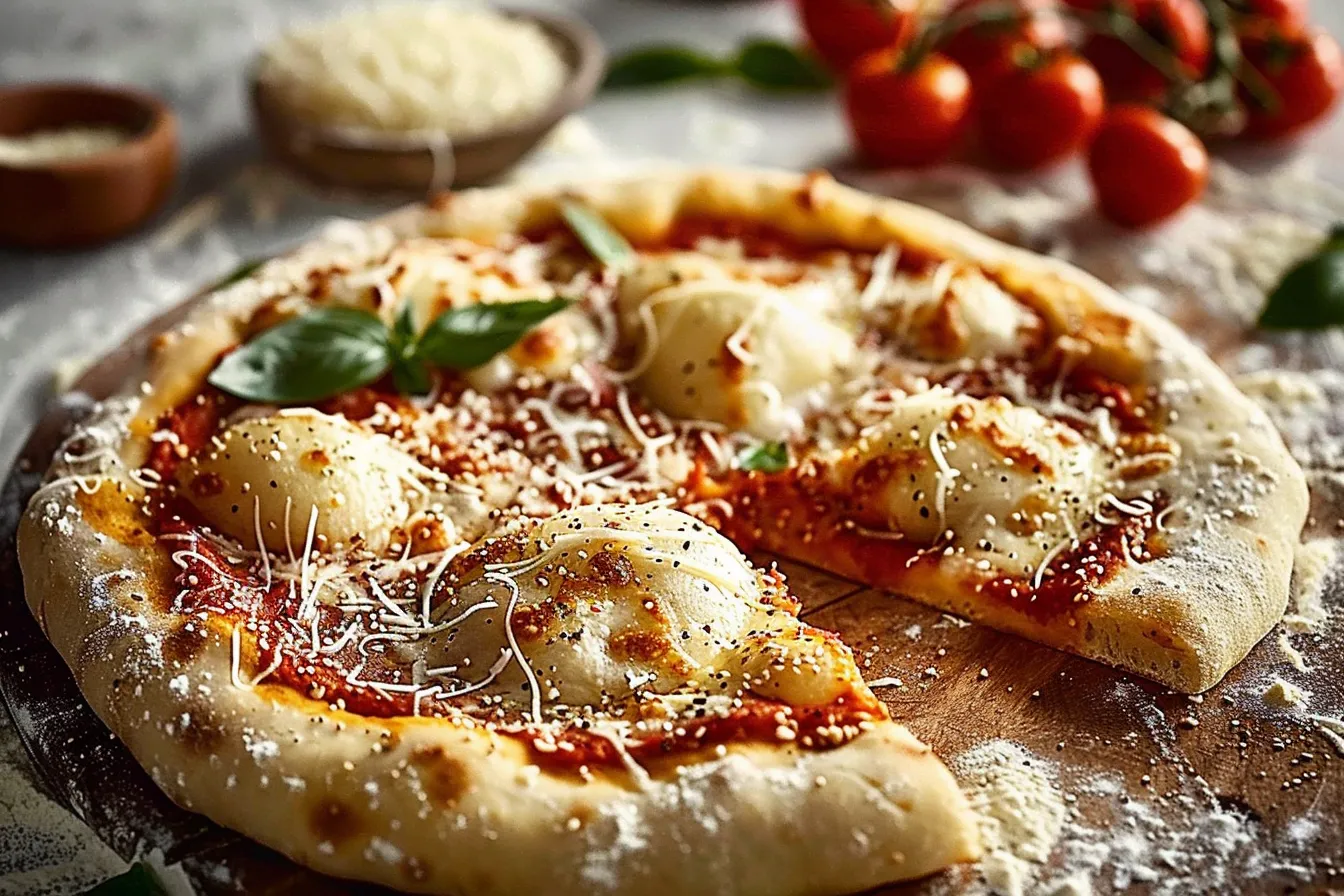
GlutenFree Pizza Dough
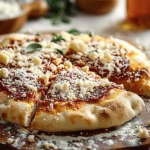
GF pizza dough guide Recipes techniques tips for perfect delicious homemade glutenfree pizza Make the ultimate pizza crust now
- Prep Time: 20 minutes
- Cook Time: 15 minutes
- Total Time: 35 minutes
- Yield: 1 12-inch pizza
- Category: Pizza
- Cuisine: Italian
- Diet: Gluten-Free
Ingredients
- Gluten-Free All-Purpose Flour Blend
- Tapioca Starch
- Instant Yeast
- Sugar
- Salt
- Olive Oil
- Warm Water
- Apple Cider Vinegar
Instructions
- Mix all ingredients in a bowl until just combined. Don’t overmix.
- Let the dough rest for at least 15 minutes.
- Pre-bake the crust for 5-7 minutes before adding toppings for an extra crispy crust.
- Add your favorite toppings and bake at 450-500°F until golden brown.