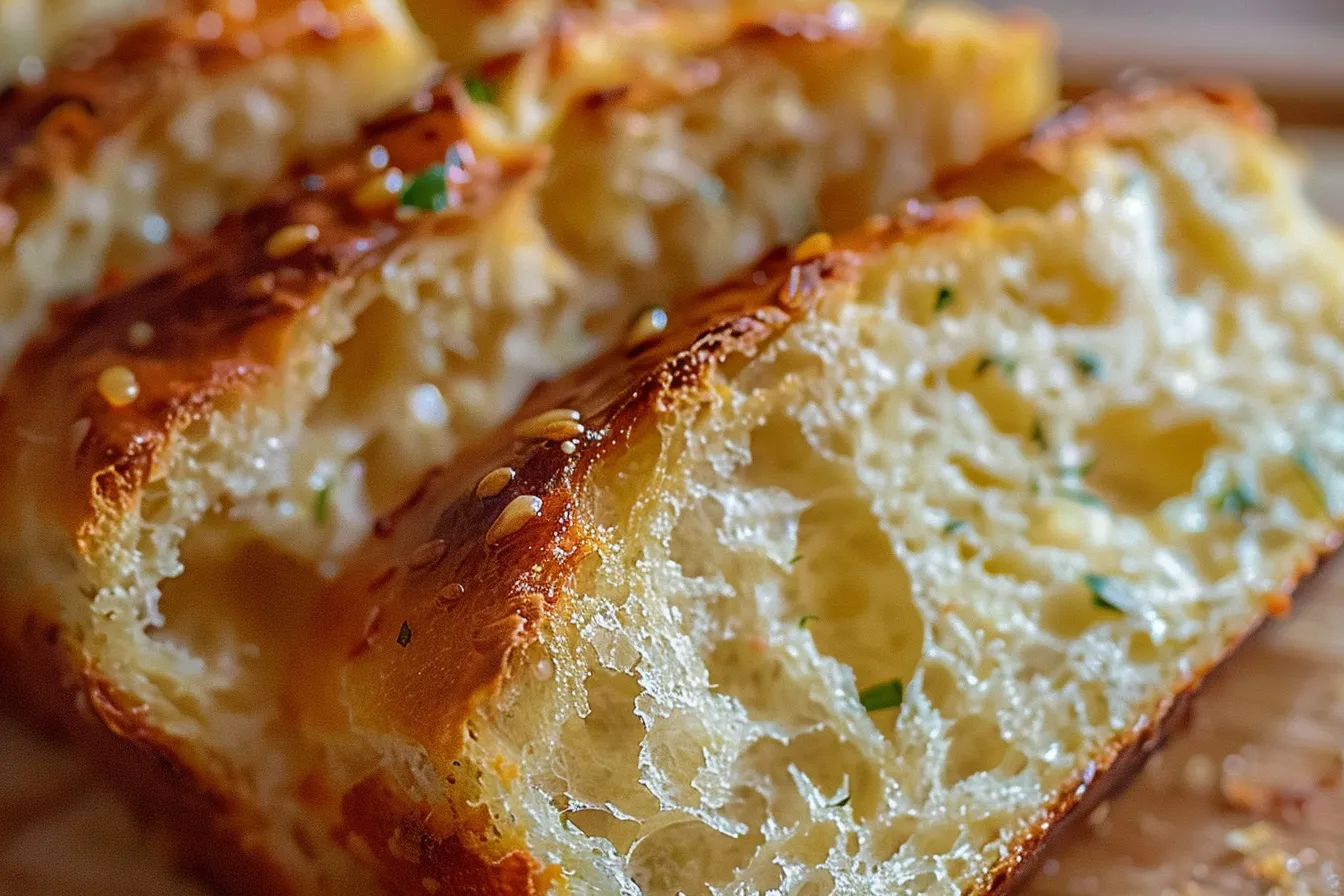
Is there anything quite as comforting as the smell of freshly baked bread wafting through your home? Especially when that bread is a soft, pillowy gluten-free potato bread? This recipe isn’t just about creating a gluten-free alternative; it’s about crafting a loaf that rivals the texture and flavor of traditional potato bread, only better! Imagine sinking your teeth into a slice, the subtle sweetness of the potato complementing the warm, yeasty aroma. With autumn just around the corner, there’s no better time to embrace baking season with a comforting, allergen-friendly twist. After countless attempts and ingredient tweaks, I’m thrilled to share a foolproof method for achieving gluten-free potato bread perfection.

As someone who’s navigated the world of gluten-free baking for over a decade, I know the challenges firsthand. Achieving the right texture and flavor can feel like an uphill battle. This recipe is born from my own experiences, experimenting with different gluten-free flours and techniques to create a loaf that’s not only gluten-free but also incredibly delicious. Prepare to rediscover the simple joy of homemade bread, without any gluten-related worries!
Ingredients for Gluten-Free Potato Bread
Creating the perfect gluten-free potato bread starts with selecting the right ingredients. Here’s a breakdown of what you’ll need and why each component plays a crucial role. We’ll also explore potential substitutions if you have dietary restrictions or ingredient availability issues.
- Potato Flakes: (½ cup) These are the magic ingredient! Potato flakes add moisture, softness, and a subtle sweetness to the bread, mimicking the texture of traditional potato bread. Instant potato flakes work best.
- Gluten-Free All-Purpose Flour: (3 cups) A good quality gluten-free all-purpose flour blend is essential. I recommend one that contains a mix of rice flour, tapioca starch, and potato starch. Ensure it contains xanthan gum.
- Xanthan Gum: (1 teaspoon) If your gluten-free flour blend doesn’t contain xanthan gum, add it separately. Xanthan gum acts as a binder, mimicking the role of gluten in traditional bread and preventing the bread from becoming crumbly.
- Active Dry Yeast: (2 ¼ teaspoons, or 1 packet) Yeast is what makes the bread rise and gives it that characteristic yeasty flavor. Make sure your yeast is fresh by testing it with warm water and a pinch of sugar; it should bubble within 5-10 minutes.
- Warm Water: (1 ¼ cups, about 105-115°F) Warm water activates the yeast. The temperature is crucial; too hot, and it will kill the yeast; too cold, and it won’t activate.
- Sugar: (2 tablespoons) Sugar provides food for the yeast, helping it to activate and rise. It also adds a touch of sweetness to the bread.
- Salt: (1 teaspoon) Salt enhances the flavor of the bread and also controls the yeast activity.
- Olive Oil: (2 tablespoons) Olive oil adds moisture and richness to the bread. You can substitute with another neutral oil like canola or vegetable oil.
- Egg: (1 large) The egg helps bind the ingredients together and adds richness to the bread.
- Optional: (1 tablespoon) Dried rosemary or other herbs to taste.
Ingredient Science: Gluten-free baking is all about understanding how different ingredients work together. The combination of potato flakes, gluten-free flour, and xanthan gum is crucial for achieving the right texture in this bread. Potato flakes provide the moisture and softness that gluten usually provides, while xanthan gum acts as a binder to prevent the bread from being too crumbly.
Substitution Tips:
- For a dairy-free version, use dairy-free milk instead of water to bloom the yeast, and ensure your potato flakes are dairy-free. You can also use flax egg for an egg replacement.
- For a vegan version, use flax egg for the egg replacement.
- If you don’t have potato flakes, you can use mashed potatoes, but reduce the amount of water accordingly.
Expert Tips for Perfect Gluten-Free Potato Bread
Here are some insider tips and tricks I’ve learned through countless batches of gluten-free potato bread. These will help you avoid common pitfalls and achieve that perfect loaf every time.
- Proofing is Key: Gluten-free doughs often require a longer proofing time than traditional doughs. Be patient and let the dough rise in a warm place until it has doubled in size. This can take anywhere from 1 to 2 hours.
- Don’t Overmix: Overmixing gluten-free dough can result in a tough bread. Mix the ingredients until just combined.
- Use a Stand Mixer: While you can knead this dough by hand, a stand mixer with a dough hook makes the process much easier and yields a better result.
- Temperature Matters: Use an oven thermometer to ensure your oven is at the correct temperature. Baking at the wrong temperature can affect the texture and rise of the bread.
- Moisture is Your Friend: Gluten-free breads tend to dry out quickly. Adding moisture in the form of potato flakes and olive oil helps to keep the bread soft and moist.
My Personal Testing Notes: I found that letting the dough proof in a slightly warm oven (turned off!) helped it rise more effectively. I also experimented with adding a tablespoon of apple cider vinegar to the dough, which seemed to improve the texture and rise.
FAQ: Your Gluten-Free Potato Bread Questions Answered
Here are some frequently asked questions about making gluten-free potato bread. Hopefully, this will address any concerns you might have.
Can I use a bread machine for this recipe?
While you can use a bread machine, results may vary. Follow your bread machine’s instructions for gluten-free bread. I recommend monitoring the dough during the kneading process and adjusting the liquid if necessary.
How do I know when the bread is done?
The bread is done when it’s golden brown on top and sounds hollow when you tap it. An internal temperature of 200-210°F (93-99°C) is ideal.
Why is my gluten-free potato bread gummy?
Gummy gluten-free bread is often a result of underbaking or using too much starch. Make sure to bake the bread thoroughly and use a balanced gluten-free flour blend.
Can I freeze gluten-free potato bread?
Yes, you can freeze the bread. Let it cool completely, then wrap it tightly in plastic wrap and foil. It will keep in the freezer for up to 2 months. Thaw at room temperature before serving.
What can I serve with gluten-free potato bread?
This bread is delicious on its own, toasted with butter, or used for sandwiches. It also pairs well with soups, stews, and salads.
Can I add other flavors to this bread?
Absolutely! You can add herbs like rosemary or thyme, cheese, or even sun-dried tomatoes for a flavorful twist. Get creative and experiment with your favorite flavors.
My dough didn’t rise, what went wrong?
Several factors can prevent the dough from rising, including using expired yeast, water that’s too hot or cold, or a room that’s too cold. Make sure your yeast is fresh, use warm (not hot) water, and let the dough rise in a warm place.
PrintGluten Free Potato Bread

Fluffy glutenfree potato bread Easy recipe delicious taste
- Prep Time: 20 minutes
- Cook Time: 40 minutes
- Total Time: 1 hour
- Yield: 1 loaf
- Category: Bread
- Cuisine: American
Ingredients
- ½ cup Potato Flakes
- 3 cups Gluten-Free All-Purpose Flour
- 1 teaspoon Xanthan Gum
- 2 ¼ teaspoons Active Dry Yeast
- 1 ¼ cups Warm Water
- 2 tablespoons Sugar
- 1 teaspoon Salt
- 2 tablespoons Olive Oil
- 1 large Egg
- 1 tablespoon Dried rosemary (optional)
Instructions
- Activate the yeast: In a small bowl, combine warm water and sugar. Sprinkle yeast over the mixture and let it sit for 5-10 minutes until it bubbles.
- Combine dry ingredients: In a large bowl or the bowl of a stand mixer, whisk together gluten-free flour, potato flakes, xanthan gum, and salt.
- Add wet ingredients: Add the yeast mixture, olive oil, and egg to the dry ingredients. Mix until just combined. The dough will be sticky.
- First Proof: Cover the bowl and let the dough rise in a warm place for 1-2 hours, or until doubled in size.
- Shape the dough: Gently transfer the dough to a lightly oiled loaf pan (approximately 9×5 inches). Shape gently.
- Second Proof: Cover the loaf pan and let the dough rise again for another 30-45 minutes.
- Bake: Preheat oven to 375°F (190°C). Bake for 40-45 minutes, or until the bread is golden brown and sounds hollow when tapped. An internal temperature of 200-210°F (93-99°C) is ideal.
- Cool: Let the bread cool in the loaf pan for 10 minutes before transferring it to a wire rack to cool completely.
Notes
Rediscover the joy of homemade bread with this foolproof gluten-free potato bread recipe. This soft, pillowy loaf rivals traditional potato bread in texture and flavor, making it a comforting and allergen-friendly treat.