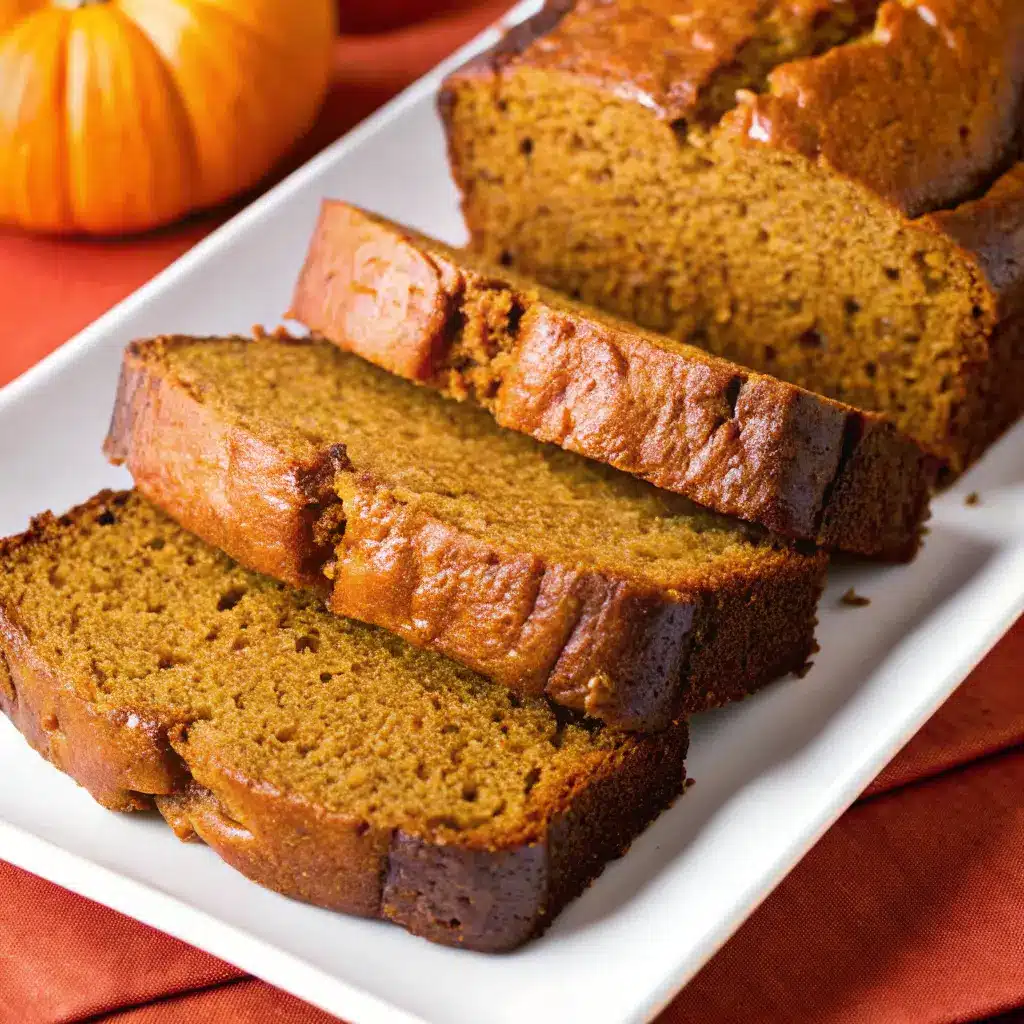
For years, I was on a mission. Not a grand, world-changing one, but a deeply personal, soul-soothing one: to bake the perfect loaf of pumpkin bread. My grandmother’s recipe was a family legend, a cozy memory of crisp autumn afternoons, but it was heavy on the oil and a little too sweet for modern tastes. I wanted to create something that tasted just as nostalgic and comforting but felt a little lighter, a little healthier.
My kitchen became a lab. I tested this recipe over seven times, experimenting with different amounts of sugar, different fats, and tweaking the spice blend. The first few attempts were… well, let’s just say they weren’t fit for a family gathering. My first loaf came out dense and gummy because I overmixed the flour. Another was dry and crumbly from too little moisture. I even had one that completely sank in the middle, a total disappointment after an hour of baking.
But with each failure, I learned a new secret. The importance of softened butter, the magic of baking powder and baking soda working together, and the surprising way a simple spice adjustment can make the flavor pop. What I finally landed on is a version that captures the essence of that classic, comforting pumpkin bread, but with a few simple tweaks that make it feel wholesome and truly satisfying. This isn’t just a recipe; it’s a testament to the fact that you can have a perfect, healthy, and delicious loaf of pumpkin bread. It’s the one I bake every single fall now, and it’s the one I’m finally sharing with you.
This pumpkin bread is the ultimate healthy comfort food, perfect for busy weeknight dinners or cozy weekend breakfasts. It’s naturally moist from the pumpkin puree, intensely spiced, and perfect for sharing with the family you love.
The Secrets to the Best Pumpkin Bread Ingredients
Making a truly exceptional loaf of pumpkin bread starts with understanding your ingredients. While this recipe is straightforward, the quality and preparation of each component make all the difference between a good loaf and a great one.
- Flour: For this recipe, I use all-purpose flour. The key is to measure it correctly! Spoon the flour into your measuring cup and level it off with a knife. This prevents you from compacting the flour and adding too much, which leads to a dense, dry bread.
- Spices: My special blend includes cinnamon, nutmeg, and cloves. This trio creates that classic, warm pumpkin spice flavor. Don’t skimp on these—they are the heart and soul of the bread. For a spicy kick, you can add a pinch of ground ginger.
- Fat: This recipe uses unsalted butter. A lot of old-fashioned recipes call for oil, which results in a very moist but sometimes greasy loaf. Using softened butter provides a richer, more tender crumb and a beautiful golden crust.
- Pumpkin Puree: It’s essential to use 100% pure pumpkin puree, not pumpkin pie filling. Pie filling has added sugar and spices that will throw off the balance of the bread. I always use Libby’s for consistent results.
- Sugar: We’re using a combination of granulated sugar for sweetness and moisture. While I’ve adjusted this to be less sweet than traditional recipes, it’s still sweet enough to feel like a treat.
Step-by-Step Instructions for a Perfect Loaf
Following these steps carefully will ensure your pumpkin bread turns out perfectly every time. This is my tried-and-true method that has consistently produced a moist and tender crumb with a crisp crust.
- Prep Your Pans and Oven: Preheat the oven to 325°F and place a rack in the center. Grease two 8×4-inch loaf pans with butter and dust with a light coating of flour. You can also use a non-stick baking spray with flour to make it even easier.
- Whisk Dry Ingredients: In a medium bowl, combine the all-purpose flour, salt, baking soda, baking powder, ground cloves, ground cinnamon, and ground nutmeg. Whisk for about 30 seconds to ensure the ingredients are evenly distributed. Set this bowl aside.
<br> 3. Cream the Butter and Sugar: In a large bowl of an electric mixer, beat the softened butter and sugar on medium speed until they are just blended. Add the eggs one at a time, beating well after each addition. Continue beating for a few minutes until the mixture is very light and fluffy. Next, beat in the entire can of pumpkin puree. Don’t worry if the mixture looks a little grainy or curdled at this point; it will all come together beautifully. 4. Combine Wet and Dry: Reduce the mixer speed to low. Gradually add the flour mixture to the wet ingredients. Mix just until everything is combined. Be careful not to overmix! Overmixing will develop the gluten in the flour, resulting in a dense, tough bread.
Bake the Loaves: Divide the batter evenly between the two prepared loaf pans. Bake for 65-75 minutes, or until a cake tester or a toothpick inserted into the center of the loaf comes out clean. 6. Cool Completely: Let the loaves cool in the pans for about 10 minutes. Then, carefully turn them out onto a wire rack to cool completely. This is a crucial step to prevent a soggy bottom.
Common Pumpkin Bread Mistakes and How to Avoid Them
Baking can feel like a science experiment, and sometimes things go wrong. After my many test batches, I’ve seen it all. Here are the most common mistakes and my expert advice on how to fix them.
Why Does My Pumpkin Bread Have No Flavor?
This is a frequent complaint, and the answer is usually twofold: old spices or poor quality ingredients. Spices lose their potency over time. If your cinnamon, nutmeg, or cloves have been in your pantry for over a year, it’s time to replace them. For a boost, toast the spices for a few minutes in a dry pan before adding them to the batter to release their oils and enhance the flavor.
My Pumpkin Bread Is Too Dense or Gummy. What Happened?
Overmixing the batter is the number one culprit. When you mix the flour into the wet ingredients, you only want to mix until the streaks of flour are gone. Don’t beat it on high speed. As you mix, you develop gluten, which creates a chewy texture in yeast breads but a tough, dense crumb in quick breads like this one.
Is It Better to Make Pumpkin Bread with Oil or Butter?
While oil makes an incredibly moist bread, I prefer butter. Butter not only adds a richer flavor, but creaming it with the sugar adds air to the batter, creating a lighter, more tender crumb. The result is a bread that is still moist, but with a better texture.
Expert Baking Tips for a Pro-Level Loaf
Over the years, I’ve picked up a few tricks that make a huge difference. These are my personal, tried-and-true tips for perfecting your pumpkin bread.
- Bring Ingredients to Room Temperature: Make sure your eggs and butter are at room temperature before you start. This allows them to combine smoothly and trap air, which is essential for a light and fluffy crumb.
- Don’t Overbake: The difference between a moist loaf and a dry one is just a few minutes in the oven. Start checking for doneness at the 60-minute mark. The bread is done when a toothpick inserted into the center comes out clean with no wet batter. A few moist crumbs are okay!
- Parchment Paper Slings: For an even easier removal, line your loaf pans with parchment paper, leaving an overhang on the sides. You can use these overhangs as handles to lift the loaves out easily after they’ve cooled for 10 minutes.
Pumpkin Bread FAQ
Here are the answers to your most asked questions about this recipe.
What ingredients are in pumpkin bread? Our pumpkin bread recipe uses simple, wholesome ingredients you likely already have in your pantry: all-purpose flour, salt, baking soda, baking powder, a classic spice blend (cinnamon, nutmeg, cloves), unsalted butter, sugar, eggs, and 100% pure pumpkin puree.
How do I make my pumpkin bread more flavorful? To get a super flavorful bread, be sure your spices are fresh. Spices lose their potency after about six months. You can also add a teaspoon of vanilla extract or a pinch of ground ginger to enhance the flavor profile.
What are common pumpkin bread mistakes? Common mistakes include overmixing the batter, using pumpkin pie filling instead of pure pumpkin puree, and over-baking. Overmixing leads to a dense loaf, while over-baking will make it dry. Always use 100% pumpkin puree and mix just until combined.
Is it better to make pumpkin bread with oil or butter? This is a matter of personal preference, but my recipe uses butter. Oil creates an incredibly moist, almost dense crumb. Butter, when properly creamed with sugar, creates air pockets that result in a lighter, more tender bread with a richer flavor and a beautiful crust.
Can I add mix-ins to the batter? Absolutely! This recipe is a fantastic base for additions. My personal favorites are chocolate chips or chopped walnuts. For an even more intense pumpkin flavor, you could add a little pumpkin spice mix. If you’re adding mix-ins, toss them with a tablespoon of flour first to prevent them from sinking to the bottom of the loaf.
Storage and Freezing Instructions
This pumpkin bread is freezer-friendly, making it perfect for meal prep or for stashing away for a future craving.
- Room Temperature: Store the cooled loaf in an airtight container or wrapped in plastic wrap at room temperature for up to 3 days.
- Refrigerator: For longer storage, you can keep it in an airtight container in the refrigerator for up to a week.
- Freezer: The bread can be frozen for up to 3 months. After it is completely cooled, wrap it securely in aluminum foil, freezer wrap, or place it in a freezer bag. Thaw overnight in the refrigerator before serving.
Personal Conclusion and Final Thoughts
This pumpkin bread is more than just a recipe; it’s a moment of cozy comfort on a crisp autumn day. After all the trial and error, I can confidently say this is the best version I’ve ever made—it has the perfect blend of spice and sweetness, and it’s moist every single time. It’s the loaf I’ll be sharing with my family this Thanksgiving, and I hope it becomes a new tradition for your family too.
If you’re new to baking, this is the perfect place to start. And if you’re a seasoned baker, I think you’ll love the wholesome twist on a classic.
If you enjoyed this recipe, you might also love my readers’ favorite creamy pumpkin soup recipe. Or for a classic Thanksgiving side, check out my guide on how to make the best mashed potatoes.
I’d love to see your loaf! Tag me on social media and let me know how it turned out. Happy baking!
PrintThe Best Moist Pumpkin Bread Recipe
A classic fall pumpkin bread recipe, perfected over multiple tests to be incredibly moist, perfectly spiced, and surprisingly healthy. This version uses butter for a richer flavor and tender crumb, making it a true comfort food.
- Prep Time: 20 minutes
- Cook Time: 65 minutes
- Total Time: 1 hour 30 minutes
- Yield: 2 loaves (24 slices)
- Category: Dessert
- Method: Baking
- Cuisine: American
Ingredients
2 cups all-purpose flour, spooned and leveled
½ teaspoon salt
1 teaspoon baking soda
½ teaspoon baking powder
1 teaspoon ground cloves
1 teaspoon ground cinnamon
1 teaspoon ground nutmeg
1½ sticks (¾ cup) unsalted butter, softened
2 cups sugar
2 large eggs
1 (15-oz) can 100% pure pumpkin (Libby’s recommended)
Instructions
1. Preheat oven to 325°F. Grease and flour two 8×4-inch loaf pans or use baking spray with flour.
2. In a medium bowl, whisk flour, salt, baking soda, baking powder, cloves, cinnamon, and nutmeg.
3. In a large mixer bowl, beat butter and sugar on medium until blended. Add eggs one at a time, beating well. Beat until light and fluffy, then mix in pumpkin (mixture may look curdled).
4. Add flour mixture and mix on low until just combined. Do not overmix.
5. Divide batter evenly into prepared pans. Bake 65–75 minutes until a tester comes out clean.
6. Cool loaves 10 minutes in pans, then transfer to wire rack to cool fully.
7. Serve warm or toasted. Freeze up to 3 months once cooled and wrapped securely.
Notes
Freshly baked loaves have a crisp crust—toast slices on day 2+ for that just-baked effect.
Freezer-friendly: Wrap tightly in foil, freezer wrap, or freezer bag. Thaw overnight in fridge before serving.
Best results: Use pure pumpkin purée (not pumpkin pie filling).