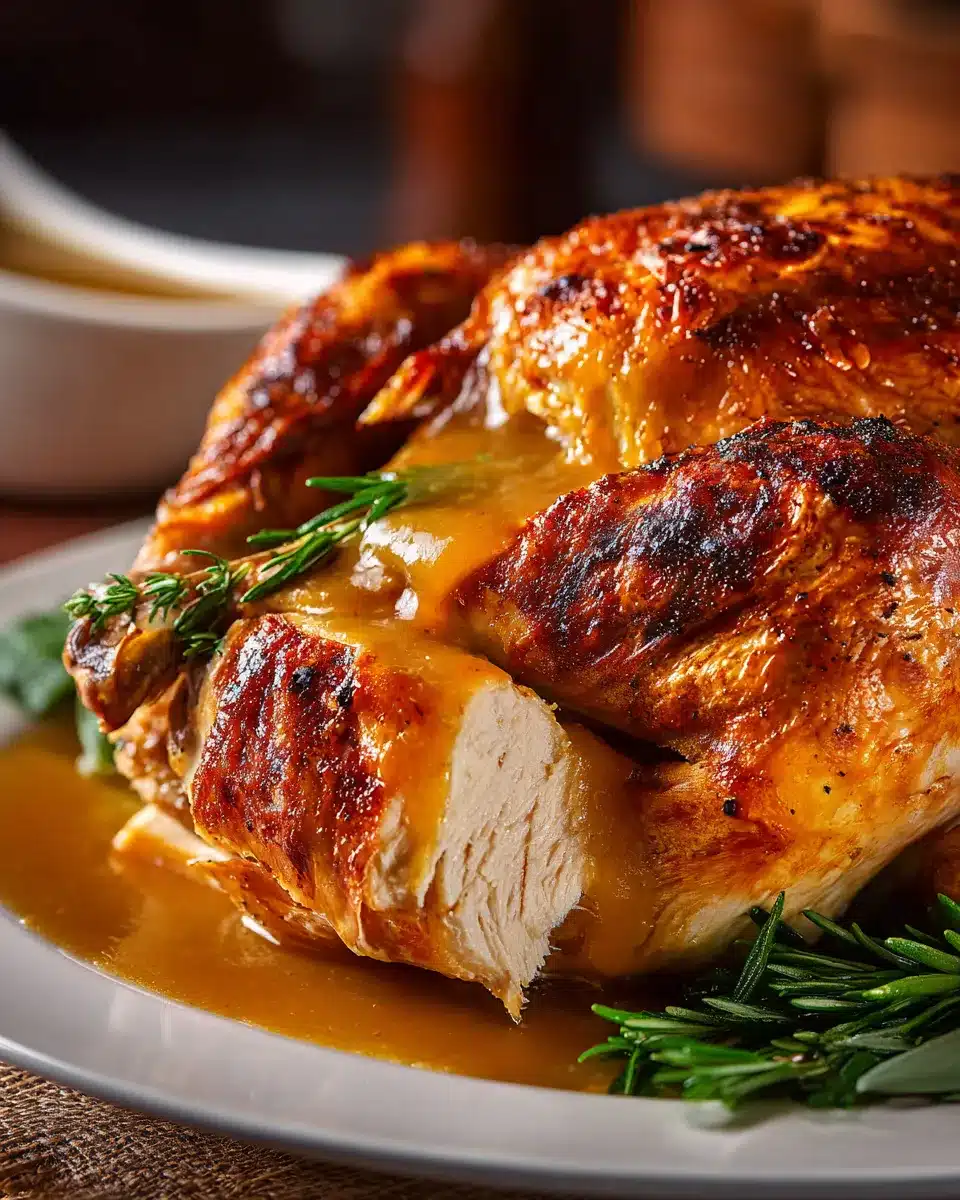
Thanksgiving is a holiday steeped in tradition, and for many, the centerpiece is a perfectly roasted turkey. I’ve spent years perfecting my method, tweaking and testing until I achieved a turkey that’s consistently moist, juicy, and deeply flavorful. I’ve roasted at least a dozen turkeys in the last few years, experimenting with brines, rubs, and cooking temperatures. One Thanksgiving, I even tried a deep-fried turkey, which was delicious but a bit too risky for my taste! This recipe isn’t just about cooking a turkey; it’s about creating a memorable Thanksgiving experience. The secret? A combination of brining, proper seasoning, and precise temperature control. And of course, a killer gravy to tie it all together. This year, let’s make this recipe that trend on social media, the star of your Thanksgiving feast.
The Journey to the Perfect Turkey
My journey to the perfect roasted turkey wasn’t always smooth sailing. I remember one Thanksgiving where I completely forgot to thaw the turkey until the night before! I had to resort to a quick thaw in cold water, which resulted in a slightly unevenly cooked bird. It taught me a valuable lesson about planning ahead. But every mishap, every experiment, has led me to this recipe – one that I’m confident will deliver a show-stopping turkey every time.
This recipe emphasizes a holistic approach, from the initial brining to the final carving. I’ll guide you through each step, providing clear instructions and helpful tips along the way. We’ll explore the science behind brining, the art of seasoning, and the nuances of roasting to achieve that perfect golden-brown skin and juicy interior.
Let’s dive in and transform your Thanksgiving turkey from ordinary to extraordinary!
Preparing the Turkey: The Foundation for Success
Proper preparation is key to a successful roasted turkey. This involves thawing the turkey safely, removing any giblets, and patting it dry. These steps might seem simple, but they play a crucial role in the final outcome.
Thawing the Turkey: Time and Temperature
The most important step is thawing the turkey properly. There are two safe methods: in the refrigerator or in cold water. Refrigerator thawing is the safest, but it takes time – about 24 hours for every 5 pounds of turkey. Cold water thawing is faster, requiring about 30 minutes per pound, but it requires more attention. You must change the water every 30 minutes to keep it cold and prevent bacterial growth.
- Refrigerator Thawing: Place the frozen turkey, in its original packaging, on a tray in the refrigerator. Allow ample time for thawing.
- Cold Water Thawing: Submerge the turkey, in its original packaging, in a large container filled with cold water. Change the water every 30 minutes.
Removing Giblets and Neck: Essential Steps
Once the turkey is thawed, remove it from its packaging and check for the giblets and neck. These are usually found in the neck cavity and the body cavity. Remove and discard the packaging. The giblets and neck can be used to make gravy or stock.
Patting Dry: Crispy Skin Secret
After removing the giblets, pat the turkey dry with paper towels, inside and out. This step is crucial for achieving crispy skin. Moisture is the enemy of crispy skin, so remove as much as possible.
Crafting the Perfect Seasoning Blend
The right seasoning blend can elevate your roasted turkey from good to unforgettable. This recipe features a harmonious blend of herbs, spices, and aromatics that complement the natural flavor of the turkey without overpowering it.
Ingredients for Flavor Harmony
My go-to seasoning blend includes:
- Salt and Pepper: The foundation of any good seasoning. Use kosher salt for best results.
- Dried Herbs: I prefer a mix of thyme, rosemary, and sage.
- Garlic Powder: Adds a subtle but essential garlicky flavor.
- Onion Powder: Complements the garlic powder and adds depth.
- Paprika: Adds color and a touch of smokiness.
- Optional: A pinch of red pepper flakes for a hint of heat.
Applying the Seasoning: Inside and Out
Generously apply the seasoning blend to the entire turkey, inside and out. Don’t be shy – the more seasoning, the more flavorful the turkey will be. Lift the skin of the breast and rub some of the seasoning directly onto the meat. This will ensure that the breast meat is well-seasoned.
I’ve found that letting the seasoned turkey sit in the refrigerator for a few hours (or even overnight) allows the flavors to meld together and penetrate the meat more deeply. This step is optional, but it can make a noticeable difference in the final flavor.
Roasting to Golden Perfection
Roasting is where the magic happens. Achieving that perfect balance of crispy skin and juicy meat requires careful attention to temperature, timing, and technique.
Oven Temperature and Timing: The Sweet Spot
I recommend roasting the turkey at 325°F (160°C). This lower temperature allows the turkey to cook evenly and prevents the skin from burning before the meat is cooked through. The roasting time will vary depending on the size of the turkey.
- 12-14 pound turkey: 3-3.5 hours
- 14-18 pound turkey: 3.5-4 hours
- 18-20 pound turkey: 4-4.5 hours
Use a meat thermometer to ensure that the turkey is cooked to the proper internal temperature. The thickest part of the thigh should register 165°F (74°C).
Basting for Moisture and Flavor
Basting the turkey with its own juices (or a mixture of melted butter and herbs) every 30-45 minutes helps to keep the skin moist and adds flavor. Use a baster or a spoon to collect the juices from the bottom of the roasting pan and drizzle them over the turkey.
Resting the Turkey: An Essential Step
Once the turkey is cooked through, remove it from the oven and let it rest for at least 30 minutes before carving. This allows the juices to redistribute throughout the meat, resulting in a more moist and flavorful turkey. Tent the turkey loosely with foil while it rests to keep it warm.
Crafting the Perfect Thanksgiving Gravy
No Thanksgiving turkey is complete without a rich, flavorful gravy. This recipe utilizes the pan drippings from the roasted turkey to create a gravy that’s bursting with flavor.
Gathering the Pan Drippings: Liquid Gold
After removing the turkey from the roasting pan, carefully pour off the excess fat, leaving about 1/4 cup of drippings in the pan. Place the roasting pan on the stovetop over medium heat.
Making the Roux: Thickening Power
Whisk in an equal amount of all-purpose flour (about 1/4 cup) to the pan drippings. Cook, whisking constantly, for 2-3 minutes until the roux is smooth and golden brown. This step is crucial for creating a gravy that’s free of lumps.
Adding the Broth: Flavor Infusion
Gradually whisk in 4 cups of chicken broth (or turkey broth) to the roux, whisking constantly to prevent lumps from forming. Bring the mixture to a simmer, then reduce the heat and simmer for 10-15 minutes, or until the gravy has thickened to your desired consistency.
Seasoning and Finishing Touches
Season the gravy with salt, pepper, and any other herbs or spices you like. I often add a splash of Worcestershire sauce for extra depth of flavor. Strain the gravy through a fine-mesh sieve for a smoother texture (optional).
Carving and Serving Your Masterpiece
Carving a turkey can seem daunting, but with the right technique, it’s surprisingly easy. The key is to use a sharp carving knife and to take your time.
Essential Tools: Sharp Knife and Fork
You’ll need a sharp carving knife and a large carving fork. A sharp knife is essential for making clean, even slices. The carving fork will help you to hold the turkey steady while you carve.
Removing the Legs and Thighs
Start by removing the legs and thighs. Use the carving knife to cut through the skin and joint connecting the leg to the body. Pull the leg away from the body and cut through the remaining tissue. Separate the thigh from the drumstick at the joint.
Slicing the Breast Meat
Next, slice the breast meat. Start by making a long, horizontal cut along the breastbone. Then, slice downwards at an angle, following the curve of the breastbone. Aim for even slices that are about 1/4 inch thick.
Arranging and Serving
Arrange the carved turkey on a platter and garnish with fresh herbs, such as rosemary or thyme. Serve immediately with the gravy and your favorite Thanksgiving side dishes.
Expert Tips for a Perfect Turkey
Over the years, I’ve accumulated a few extra tips and tricks that can help you achieve turkey perfection:
- Brine, Brine, Brine: Don’t skip the brining step! It’s the key to a moist and juicy turkey.
- Use a Meat Thermometer: A meat thermometer is the most accurate way to determine if the turkey is cooked through.
- Don’t Overcrowd the Pan: Make sure the turkey has plenty of room in the roasting pan. Overcrowding can prevent the skin from browning properly.
- Let it Rest: Resting the turkey is crucial for allowing the juices to redistribute and prevent the meat from drying out.
- Make Extra Gravy: You can never have too much gravy!
- Don’t Throw Away the Carcass: Use the turkey carcass to make a flavorful turkey stock.
- Safety First: Always wash your hands and surfaces thoroughly after handling raw poultry.
Frequently Asked Questions
How long should I brine my turkey?
I recommend brining your turkey for 12-24 hours. Don’t brine it for longer than 24 hours, as it can become too salty.
Can I use a different type of broth for the gravy?
Yes, you can use vegetable broth or chicken broth if you don’t have turkey broth. However, turkey broth will give the gravy the most authentic flavor.
What if my turkey skin is browning too quickly?
If your turkey skin is browning too quickly, tent it loosely with foil. This will prevent it from burning while the rest of the turkey continues to cook.
How do I prevent my gravy from being lumpy?
The key to preventing lumpy gravy is to whisk the roux (flour and fat mixture) constantly while cooking and to gradually add the broth, whisking continuously. If lumps do form, you can strain the gravy through a fine-mesh sieve.
Can I make the gravy ahead of time?
Yes, you can make the gravy ahead of time. Store it in an airtight container in the refrigerator for up to 3 days. Reheat gently on the stovetop before serving.
What do I do if my turkey is still frozen on Thanksgiving morning?
If your turkey is still frozen on Thanksgiving morning, you’ll need to thaw it in cold water. Be sure to change the water every 30 minutes. This method is faster than refrigerator thawing but requires more attention.
How much turkey should I plan per person?
Plan for about 1.25 pounds of turkey per person. This will ensure that you have enough for everyone, with some leftovers.
A Thanksgiving Tradition in the Making
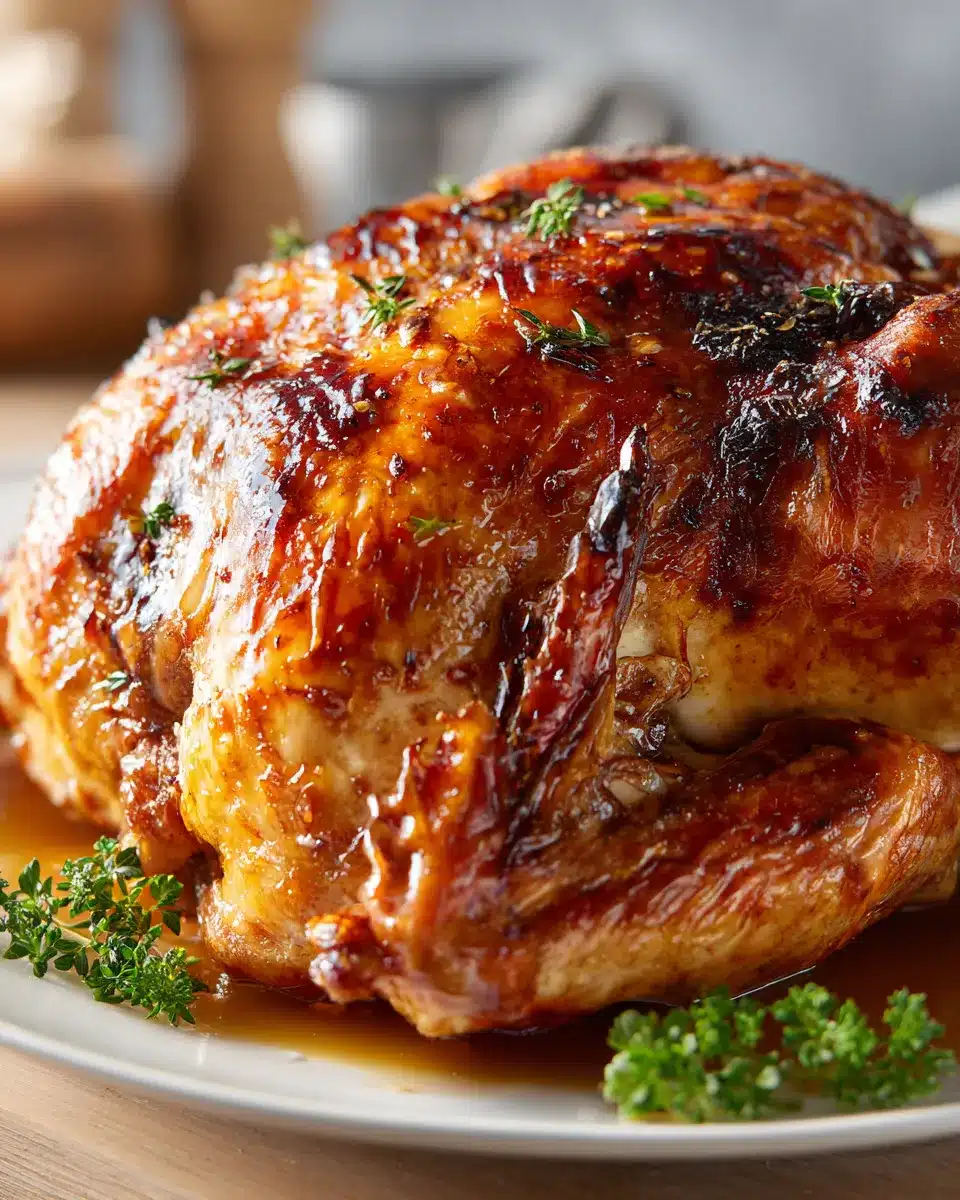
This Moist and Juicy Roasted Turkey Recipe with Gravy isn’t just a meal; it’s an experience. It’s about gathering around the table with loved ones, sharing stories, and creating memories that will last a lifetime. With a little planning and attention to detail, you can create a Thanksgiving turkey that’s both delicious and memorable.
I encourage you to try this recipe this Thanksgiving. And if you do, please share your experience! Post a picture of your turkey on social media and tag me. I’d love to see your creations and hear your feedback.
Happy Thanksgiving!
PrintUltimate Moist Roasted Turkey Recipe with Gravy
Ultimate moist roasted turkey recipe with gravy Impress guests with this juicy bird Get our easytofollow tech tips
- Prep Time: 1 hour
- Cook Time: 4 hours
- Total Time: 5 hours
- Yield: 10-12 servings
- Category: Main Course
- Method: Roasted
- Cuisine: American