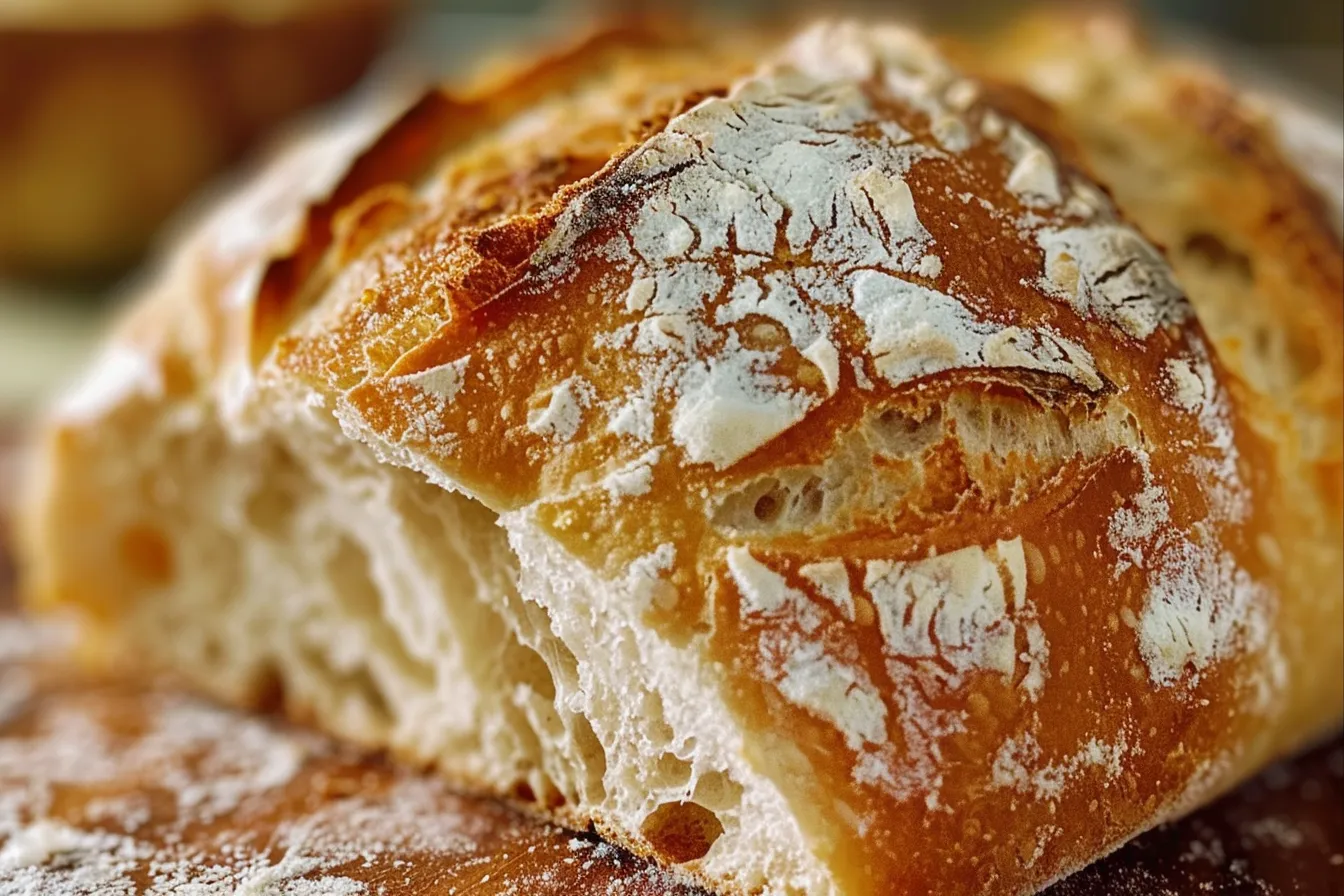
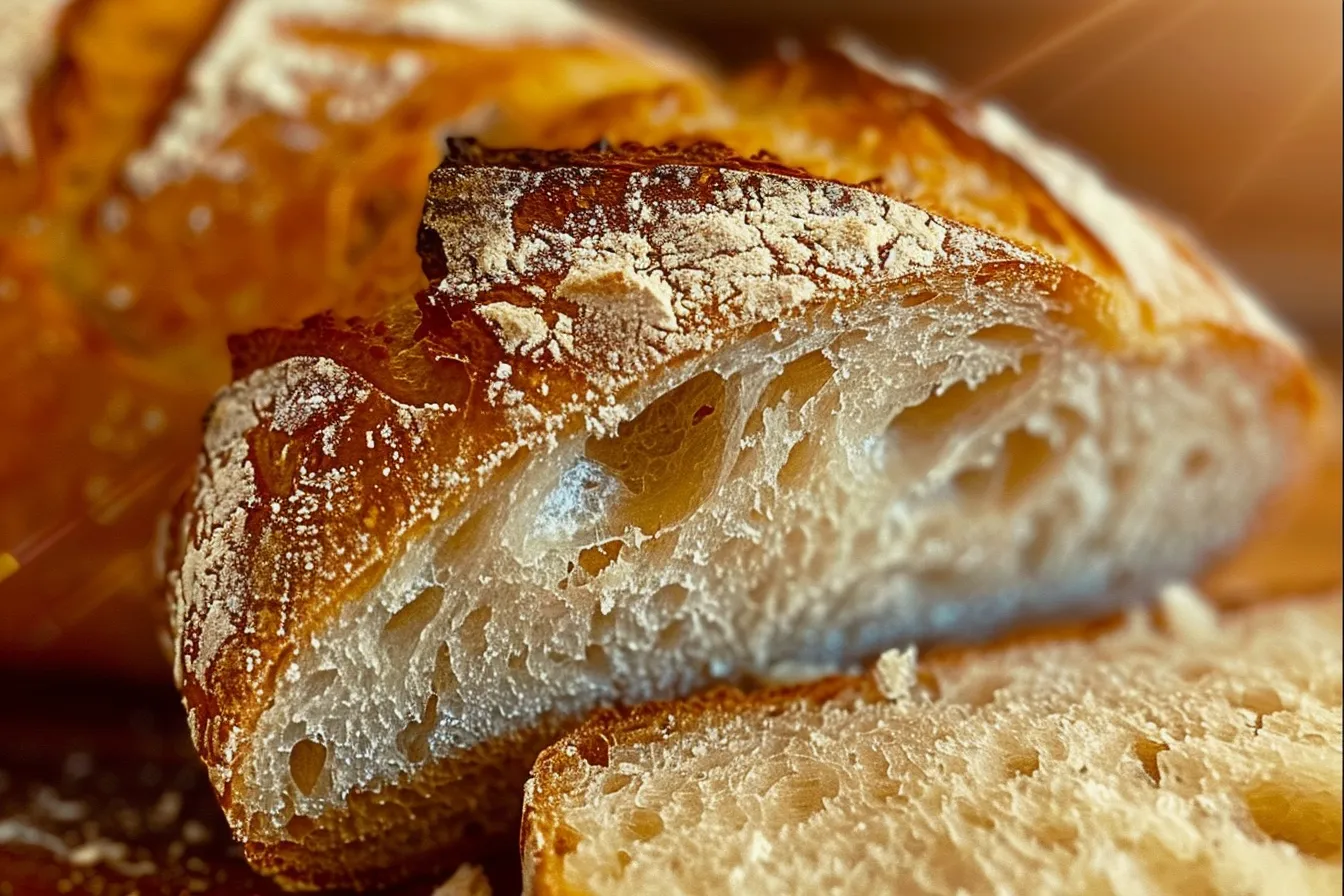
Imagine the aroma of freshly baked bread wafting through your kitchen, a crusty loaf with a soft, airy interior – and the best part? You didn’t even have to knead it! This No Knead Gluten Free Bread recipe is a game-changer for anyone avoiding gluten but craving that comforting bread experience. As we move into fall, the desire for homemade comfort food intensifies, and this recipe perfectly fits the bill. Whether you’re a seasoned gluten-free baker or a complete novice, this recipe promises a rewarding and delicious outcome. No special skills, just simple ingredients and patience! Get ready to impress yourself and your loved ones with this incredibly easy and unbelievably tasty loaf of gluten-free goodness. We’re taking the intimidation out of gluten-free baking, one no-knead loaf at a time!
For years, I struggled to find a gluten-free bread recipe that truly delivered. Store-bought options were often dry, crumbly, and lacking in flavor. As a passionate home baker with a background in food science, I knew there had to be a better way. After countless experiments, tweaking ingredient ratios and mastering gluten-free techniques, I finally cracked the code. This recipe is the result of that journey, a culmination of knowledge and a deep love for good bread. I’ve tested this recipe in various climates and with different ovens to ensure it’s foolproof. This No Knead Gluten Free Bread is not just a recipe; it’s a testament to the fact that gluten-free baking can be easy, accessible, and utterly delicious. With the current trends leaning towards simpler, more wholesome recipes, this recipe is a perfect addition to your baking repertoire. Let’s get baking
INGREDIENTS
- Gluten-Free All-Purpose Flour Blend: 3 cups (360g). Use a blend that contains xanthan gum. The blend is crucial for structure. Look for blends with rice flour, tapioca starch, and potato starch.
- Instant Yeast: 2 ¼ teaspoons (7g). The workhorse of our bread, instant yeast provides the necessary leavening power. Ensure your yeast is fresh for optimal results.
- Salt: 1 ½ teaspoons (9g). Salt enhances the flavor and controls the yeast activity. Don’t skip it!
- Sugar: 1 tablespoon (12g). Sugar feeds the yeast and contributes to browning. You can substitute with honey or maple syrup.
- Warm Water: 1 ½ cups (360ml), about 105-115°F (40-46°C). The correct water temperature is vital for activating the yeast. Too hot, and you’ll kill the yeast; too cold, and it won’t activate properly.
- Apple Cider Vinegar: 1 tablespoon (15ml). Adds a subtle tang and helps with the rise. You can use white vinegar or lemon juice as a substitute.
- Olive Oil: 2 tablespoons (30ml). Adds moisture and richness. You can use other oils like avocado or coconut oil.
Ingredient Science and Substitution Tips: The gluten-free flour blend is the most critical ingredient. Different blends can yield varying results, so stick to a well-known brand for consistency. Xanthan gum acts as a gluten substitute, providing elasticity and structure. For substitutions, if you’re allergic to rice flour, try using a blend based on tapioca and potato starch. If you are on a specific diet like keto or paleo, this recipe is not suitable, but there are alternative gluten-free bread recipes using almond flour or coconut flour that you may explore.
EXPERT TIPS
- Proofing Matters: The proofing time is crucial. Adjust it based on your environment. A warm, humid place will proof faster than a cold, dry one. I usually proof in a slightly warmed oven.
- Don’t Overmix: Gently mix the ingredients until just combined. Overmixing can lead to a dense loaf.
- Dutch Oven is Key: Using a Dutch oven ensures even baking and a crispy crust. If you don’t have one, use a bread pan and add a pan of hot water to the oven for steam.
- Cool Completely: Let the bread cool completely before slicing. This prevents it from becoming gummy.
- Experiment with Flavors: Add herbs, seeds, or cheese to customize your loaf. Rosemary, sunflower seeds, or cheddar cheese work great.
Personal Testing Notes: In my experience, the type of gluten-free flour blend significantly impacts the final texture. I’ve found that blends with a higher ratio of tapioca starch tend to produce a softer, chewier crumb. I also experimented with different proofing methods, and the warm oven (turned off!) consistently yielded the best results. Don’t be afraid to experiment and find what works best for your oven and environment.
FAQ
Why did my bread turn out gummy?
A gummy texture in gluten-free bread is often due to insufficient baking time or cooling the bread too soon. Make sure to bake the bread until it’s fully cooked through, and allow it to cool completely on a wire rack before slicing.
Can I use a different type of flour?
Using a different gluten-free flour blend may affect the outcome. It’s best to stick to the recommended blend for consistent results. If you experiment, be prepared to adjust the liquid ratio.
How do I store this bread?
Store the bread in an airtight container at room temperature for up to 3 days. For longer storage, slice and freeze it. You can then toast the frozen slices as needed.
Can I add other ingredients to the dough?
Absolutely! Feel free to add herbs, seeds, nuts, or dried fruit to the dough for added flavor and texture. Just be mindful of the overall moisture content; you might need to adjust the liquid accordingly.
My dough didn’t rise, what happened?
This can happen if your yeast is old or if the water was too hot or too cold. Make sure your yeast is fresh and the water temperature is within the recommended range (105-115°F or 40-46°C).
Can I make this recipe without a Dutch oven?
Yes, you can! Use a regular bread pan and bake the bread in a preheated oven. To create a similar crusty texture, place a pan of hot water on the bottom rack of the oven during baking. This will create steam, which helps to develop a crispy crust.
Is this bread suitable for freezing?
Yes, this bread freezes very well. Allow the bread to cool completely, then slice it and wrap it tightly in plastic wrap or place it in a freezer-safe bag. It can be stored in the freezer for up to 2 months. Thaw the slices at room temperature or toast them directly from frozen.
This No Knead Gluten Free Bread recipe is your ticket to homemade, gluten-free bread without the fuss of kneading. It’s easy, forgiving, and yields a loaf that’s perfect for sandwiches, toast, or enjoying on its own. This recipe brings the joy of baking back into your kitchen. Don’t wait any longer to experience the magic of this recipe! Try it out, and share your creations with us. We love to see your baking successes! Leave a comment below with your tips, variations, or any questions you might have. Happy baking!Related posts you might enjoy:
PrintGLUTEN FREE Bread No Knead Recipe
Easy glutenfree bread No knead recipe Effortless baking
- Prep Time: 15 minutes
- Cook Time: 50 minutes
- Total Time: 1 hour 5 minutes
- Yield: 1 loaf
- Category: Bread
- Cuisine: Gluten-Free
Ingredients
- 3 cups (360g) Gluten-Free All-Purpose Flour Blend
- 2 ¼ teaspoons (7g) Instant Yeast
- 1 ½ teaspoons (9g) Salt
- 1 tablespoon (12g) Sugar
- 1 ½ cups (360ml) Warm Water
- 1 tablespoon (15ml) Apple Cider Vinegar
- 2 tablespoons (30ml) Olive Oil
Instructions
- Combine all ingredients in a large bowl.
- Gently mix the ingredients until just combined. Do not overmix.
- Cover the bowl and let it proof in a warm place for 1-2 hours, or until doubled in size.
- Preheat oven to 450°F (232°C) with a Dutch oven inside.
- Carefully place the dough in the hot Dutch oven.
- Bake covered for 30 minutes, then uncovered for 20 minutes, or until golden brown.
- Let the bread cool completely before slicing.
Notes
Enjoy the aroma of freshly baked bread with this easy No Knead Gluten Free Bread recipe. Perfect for anyone avoiding gluten but craving a comforting bread experience.