The aroma of a perfectly roasted prime rib is the quintessential scent of celebration. Imagine the delighted faces around your holiday table as you present a stunning, juicy, and tender prime rib. This easy slow roasted prime rib recipe promises to deliver that experience without the stress. With simple techniques and a focus on flavor, this is your guide to creating a show-stopping centerpiece that will be the highlight of any special occasion. Forget intimidating cooking methods, this recipe is designed for ease and guaranteed success, even for novice cooks. Get ready to impress your loved ones with a succulent, flavorful prime rib that will become a cherished tradition!
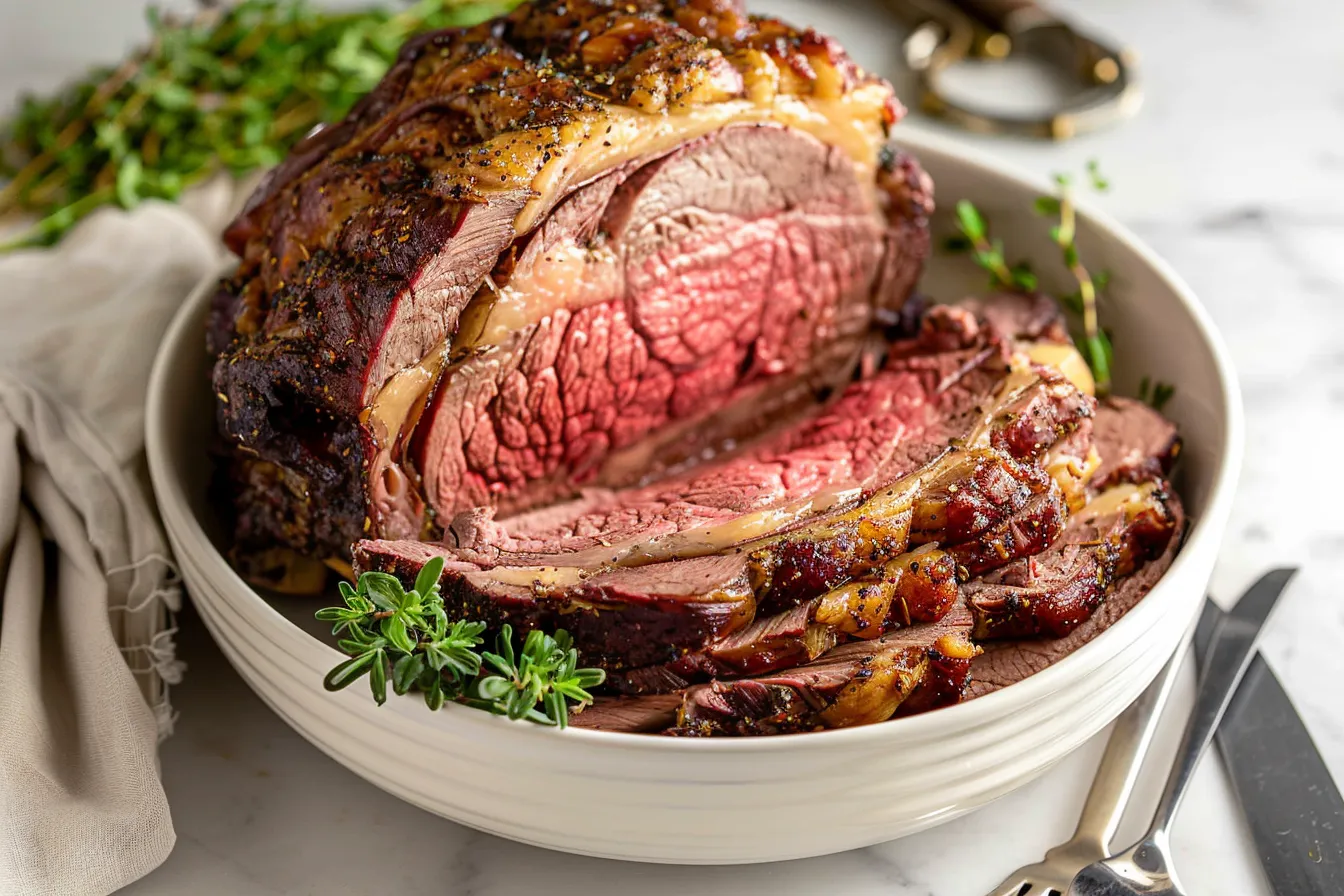
Prime rib, also known as a standing rib roast, is a cut of beef renowned for its marbling and rich flavor. The slow roasting method is key to achieving that melt-in-your-mouth tenderness and even cooking throughout. I’ve spent years perfecting this recipe, testing different temperatures, seasonings, and resting techniques to find the absolute easiest and most reliable way to achieve prime rib perfection. This isn’t just a recipe; it’s a tried-and-true method that brings culinary confidence to your kitchen. With the holidays approaching, there’s no better time to master this impressive dish!
Ingredients for Perfect Prime Rib
Quality ingredients are the foundation of any great dish, and this prime rib is no exception. Here’s a breakdown of what you’ll need, along with some helpful tips and substitution options:
- Prime Rib Roast: Choose a bone-in roast for the best flavor and moisture retention. Look for generous marbling throughout the meat. The amount of marbling (intramuscular fat) directly impacts the tenderness and flavor of the roast. A well-marbled roast will render the fat during cooking, basting the meat from within and creating a juicy, flavorful result.
- Kosher Salt: This is essential for properly seasoning the roast and drawing out moisture for a better crust. Kosher salt has larger crystals than table salt, which allows for more even distribution and prevents over-salting.
- Black Pepper: Freshly ground black pepper adds a robust and aromatic layer of flavor.
- Garlic Powder: Adds a subtle but important layer of garlicky goodness. Fresh garlic can be used, but garlic powder evenly distributes the flavor.
- Onion Powder: Complements the garlic and adds a savory depth.
- Dried Thyme: Provides an earthy and herbaceous note that pairs beautifully with beef. Fresh thyme can also be used; use about 1 tablespoon of fresh thyme leaves for every 1 teaspoon of dried.
- Dried Rosemary: Adds a fragrant and piney aroma that enhances the overall flavor profile. Like thyme, you can substitute fresh rosemary, using a 3:1 ratio.
- Olive Oil: Helps the seasonings adhere to the roast and contributes to a beautiful crust.
Substitution Tips:
- If you can’t find dried thyme or rosemary, you can use Italian seasoning as a substitute.
- For a bolder flavor, add a pinch of red pepper flakes to the rub.
- If you don’t have onion powder, you can use finely minced shallots or onions, but be sure to sauté them before applying to the roast.
Expert Tips for Prime Rib Success
These tips are gleaned from countless prime rib roasts and are designed to elevate your cooking to the next level:
- Dry Brine: Salting the prime rib 24-48 hours in advance (dry brining) is the secret to ensuring a deeply flavorful and evenly seasoned roast. This allows the salt to penetrate the meat, tenderizing it and drawing out moisture, which then evaporates, resulting in a crispier crust.
- Bring to Room Temperature: Allow the prime rib to sit at room temperature for at least 2 hours before roasting. This allows for more even cooking and prevents the outside from overcooking before the inside reaches the desired temperature.
- Use a Meat Thermometer: A reliable meat thermometer is your best friend when roasting prime rib. Insert it into the thickest part of the roast, avoiding bone, to get an accurate reading.
- Don’t Overcook: Prime rib is best served medium-rare to medium. Use a meat thermometer to gauge the internal temperature. For medium-rare, aim for 130-135°F (54-57°C). For medium, aim for 135-140°F (57-60°C). Keep in mind that the temperature will continue to rise slightly during resting.
- Resting is Crucial: Resist the urge to slice into the prime rib immediately after roasting. Resting allows the juices to redistribute throughout the meat, resulting in a more tender and flavorful roast. Tent the roast loosely with foil and let it rest for at least 30 minutes before carving.
- Sear for Extra Flavor: Searing the prime rib at high heat before or after slow roasting adds a delicious crust and enhances the overall flavor.
- Save the Drippings: Don’t discard the drippings from the roasting pan! These liquid gold can be used to make a delicious gravy or au jus to serve with the prime rib.
FAQ: Your Prime Rib Questions Answered
Here are some frequently asked questions about cooking prime rib:
What temperature should I roast my prime rib at?
Slow roasting at a low temperature, around 275°F (135°C), is the best way to ensure even cooking and a tender result. A higher temperature can cause the outside to overcook before the inside reaches the desired doneness.
How long should I roast my prime rib?
Roasting time depends on the size of the roast and your desired level of doneness. As a general guideline, roast for approximately 15-18 minutes per pound for medium-rare, or 18-20 minutes per pound for medium. Always use a meat thermometer to ensure accurate doneness.
Should I sear my prime rib before or after roasting?
You can sear the prime rib either before or after roasting. Searing before roasting creates a beautiful crust that will continue to develop during the slow roasting process. Searing after roasting can help to crisp up the exterior and add a final layer of flavor. Experiment and see which method you prefer!
How do I carve a prime rib?
Use a sharp carving knife to slice the prime rib against the grain. This will ensure that each slice is tender and easy to chew. If the roast is bone-in, separate the ribs from the roast before slicing. You can serve the ribs separately or slice the meat from the bones and include it with the roast.
What should I serve with prime rib?
Prime rib is a versatile dish that pairs well with a variety of sides. Some classic accompaniments include mashed potatoes, roasted vegetables, Yorkshire pudding, creamed spinach, and horseradish sauce.
Can I cook prime rib ahead of time?
Yes, you can cook the prime rib ahead of time. Roast it to slightly under your desired doneness, then let it cool completely. Wrap it tightly in foil and refrigerate. When ready to serve, reheat it in a low oven (250°F/120°C) until it reaches your desired temperature. This is a great option for large gatherings, freeing up your time on the day of the event.
What’s the best way to store leftover prime rib?
Store leftover prime rib in an airtight container in the refrigerator for up to 3-4 days. To prevent it from drying out, wrap it tightly in plastic wrap or foil before placing it in the container.

Your Prime Rib Masterpiece Awaits
Congratulations! You’re now equipped with the knowledge and confidence to create an easy slow roasted prime rib that will impress your family and friends. Remember, the key to success is using quality ingredients, following the instructions carefully, and most importantly, not being afraid to experiment and make it your own. Imagine the satisfaction of presenting a perfectly cooked prime rib at your next holiday gathering, and the joy of sharing a delicious meal with loved ones. Don’t wait any longer – gather your ingredients, preheat your oven, and embark on your prime rib adventure today! Be sure to share your prime rib creations with me on social media using #EasyPrimeRibRecipe. I can’t wait to see your culinary masterpieces!
PrintSlow Roasted Prime Rib
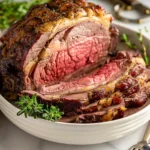
Tender juicy prime rib Easy slowroasted method Delicious flavor
- Prep Time: 30 minutes
- Cook Time: 180 minutes
- Total Time: 210 minutes
- Yield: 8-10
- Category: Main Course
- Cuisine: American
Ingredients
- Prime Rib Roast (bone-in)
- Kosher Salt
- Black Pepper (freshly ground)
- Garlic Powder
- Onion Powder
- Dried Thyme
- Dried Rosemary
- Olive Oil
Instructions
- Dry Brine: Salt the prime rib 24-48 hours in advance.
- Bring to Room Temperature: Allow the prime rib to sit at room temperature for at least 2 hours before roasting.
- Preheat oven to 275°F (135°C).
- Rub the prime rib with olive oil, then season generously with kosher salt, black pepper, garlic powder, onion powder, dried thyme, and dried rosemary.
- Place the prime rib in a roasting pan and roast for approximately 15-18 minutes per pound for medium-rare, or 18-20 minutes per pound for medium. Use a meat thermometer to ensure accurate doneness.
- Use a Meat Thermometer: Insert it into the thickest part of the roast, avoiding bone, to get an accurate reading. For medium-rare, aim for 130-135°F (54-57°C). For medium, aim for 135-140°F (57-60°C).
- Resting is Crucial: Tent the roast loosely with foil and let it rest for at least 30 minutes before carving.
- Carve the prime rib against the grain and serve.
Notes
This easy slow roasted prime rib recipe promises to deliver a stunning, juicy, and tender prime rib without the stress. With simple techniques and a focus on flavor, this is your guide to creating a show-stopping centerpiece that will be the highlight of any special occasion.