The first time I tried to make pumpkin bread, it was a total disaster. The top cracked, the middle sank, and the whole thing was so dense and gummy it could have been used as a doorstop. After 11 different attempts and countless tweaks, I finally nailed the perfect recipe, and let me tell you—it’s absolutely worth the effort.
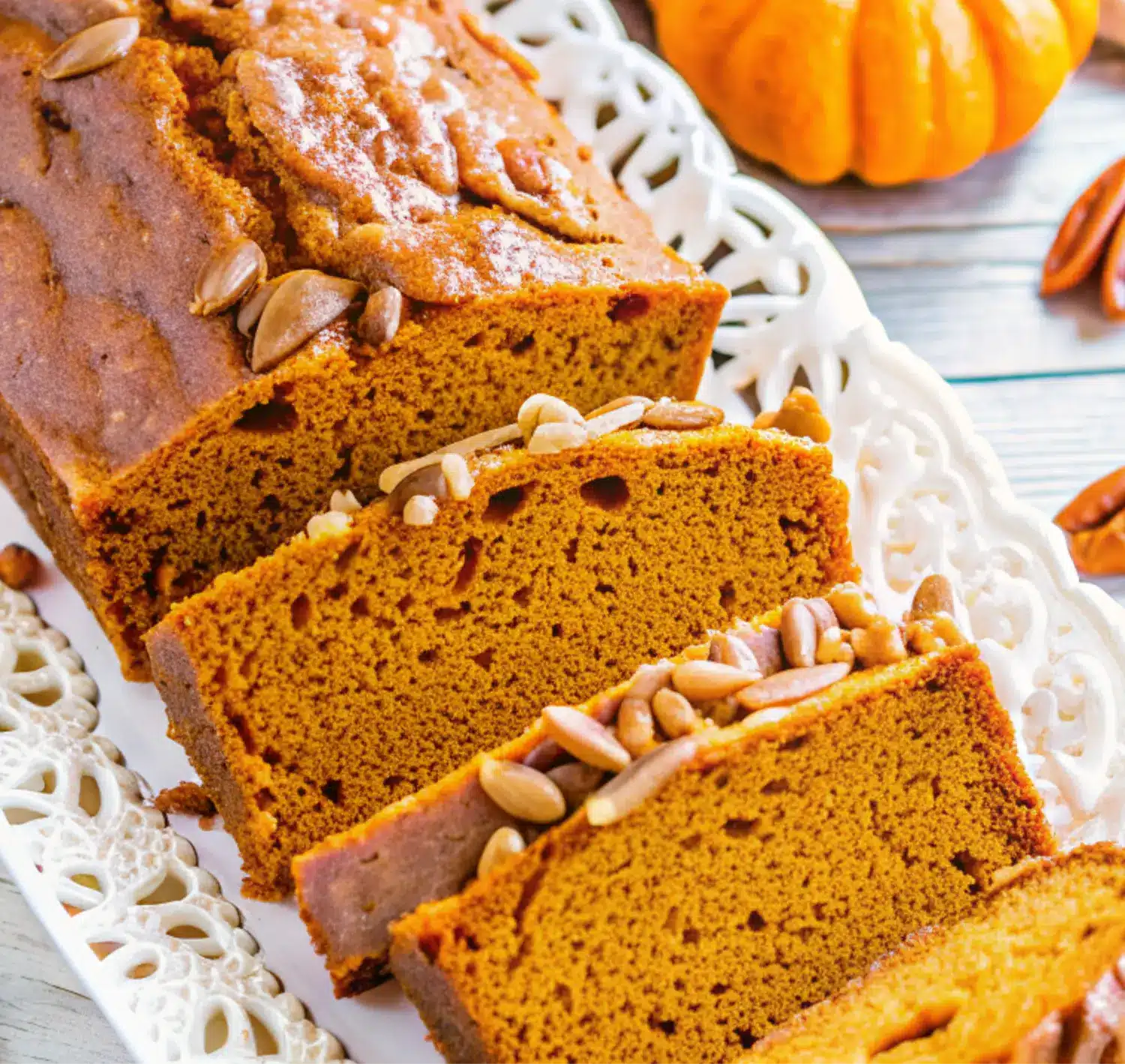
This isn’t just another pumpkin bread recipe. This is the Best Moist Pumpkin Bread with Brown Sugar Glaze, the kind that fills your kitchen with the warm, comforting aroma of autumn and brings everyone together for a moment of pure joy. It’s the recipe my family now asks for every single Thanksgiving, and with the holidays right around the corner, this is the perfect time to perfect your own version. Forget those complicated, formal recipes—this one is for real home cooks like you and me. I’ll walk you through every step, sharing all the lessons I learned (and my hilarious failures) to make sure your first try is a success.
Ready to bake a masterpiece? Let’s get started.
My Journey to the Perfect Pumpkin Bread (A Story of Failure & Success)
When my grandmother, the queen of quick breads, passed her pumpkin bread recipe down to me, I was so excited. But as a new baker, I quickly learned that following a recipe isn’t the same as understanding it. My first attempt resulted in that dense, hockey-puck loaf I mentioned. It was frustrating, but I was determined to figure out what went wrong. I tried different pan types, varied the amount of leavening, and even experimented with different oils. The first version was bland, the second was too sugary, and the third was a gooey mess in the center.
I realized that the biggest problems were in the little details: using the right kind of pumpkin, not overmixing the batter, and understanding how different oven temperatures affect the final result. Over the course of 11 different batches, I adjusted and perfected the method. The end result? This recipe. It’s not just a list of ingredients; it’s a culmination of my personal experience, and I’m sharing it so you can avoid the same mistakes and get a perfect, bakery-quality loaf on your very first try. The competition’s recipes, like those from Allrecipes or Simply Recipes, are a great starting point, but they often miss the key details that make or break a pumpkin bread. This recipe fills in those gaps.
This year, as we gather for Thanksgiving, there’s no better way to welcome the season than with the comforting aroma of pumpkin and spices. My version is a delicious nod to the classic while incorporating a few simple tricks for a moister, more flavorful loaf that will make everyone think you spent all day in the kitchen.
The Secret to a Perfectly Moist Loaf
The secret to a pumpkin bread that’s moist, not mushy, lies in a few key ingredients and techniques. First, use 100% pure pumpkin puree, not pumpkin pie filling. Pie filling has added spices and sugars, which throw off the balance of the recipe and can lead to a gummy texture. Also, using vegetable oil instead of butter helps create a more tender, cake-like crumb. Oil is a liquid at room temperature, while butter is a solid. This difference in molecular structure keeps the final product incredibly soft and moist.
Prepping Your Pan & Oven (A Critical First Step)
This may seem obvious, but it’s a step I’ve seen many people rush through. It makes all the difference in preventing a disaster.
- Oven Temperature: For this recipe, you have two options depending on your loaf pan. If you’re using a lighter-colored metal loaf pan, a 350°F oven is perfect. But I’ve found that a slightly lower temperature of 325°F works best for glass or dark-colored metal pans, which tend to bake faster and can lead to a darker, harder crust.
- The Right Pan: A standard 9×5-inch loaf pan is what you’ll need. Lightly spray it with a nonstick cooking spray, ensuring you get the corners and bottom. This small step ensures your loaf slides right out of the pan.
The Dry Ingredients (The “Why” Behind the Spices)
In a medium bowl, whisk together your dry ingredients. The combination of all-purpose flour, baking soda, baking powder, and salt is what gives your bread its structure and rise. The spices—pumpkin pie spice, cinnamon, and a pinch of nutmeg—are what give it that classic, comforting flavor. For a healthy twist, you can also consider adding a tablespoon of ground flaxseed or chia seeds to the mix. It won’t change the flavor, but it adds a nice nutritional boost.
Part 4: The Wet Ingredients & The Brown Sugar Glaze
In a separate, larger mixing bowl, combine the brown sugar, pure canned pumpkin, room-temperature eggs, vegetable oil, and water. Stir until everything is well-blended. Using room-temperature eggs is a small but mighty tip I learned. They incorporate more easily into the batter and help the bread rise more evenly, leading to a better texture.
The brown sugar glaze is the real game-changer here. While the bread bakes, you’ll make a simple glaze with butter, brown sugar, and milk. This glaze is cooked on the stovetop for a couple of minutes, which caramelizes the sugar and makes it thicker and richer. It’s what transforms a great pumpkin bread into an unforgettable one.
Mixing the Batter (The Most Common Mistake)
This is where my first attempt went wrong, and it’s the most common mistake home bakers make. Overmixing the batter. When you add the dry ingredients to the wet, you should stir just until everything is blended together and there are no streaks of flour. Overmixing develops the gluten in the flour, which creates a dense, tough, and chewy texture—not the light, moist crumb you’re looking for. Use a spatula and fold gently. The batter should look just combined, not perfectly smooth.
Baking to Perfection & The Toothpick Test
Pour the batter into your prepared loaf pan and place it in the preheated oven. The bread will bake for about an hour to an hour and 15 minutes. This is where patience is key. Don’t pull it out early! Every oven is different, so start checking at the 50-minute mark. To test for doneness, simply insert a toothpick into the center of the loaf. If it comes out clean with just a few moist crumbs clinging to it, your bread is done. If it comes out with wet batter, keep baking and check again every 5-10 minutes.
The Final Touch: Glazing a Warm Loaf
Once your pumpkin bread is out of the oven, start poking a bunch of holes in the top with a fork while it’s still warm. This creates little pockets for the glaze to soak into, ensuring every bite is moist and flavorful. Place a paper towel underneath the pan to catch any drips, then slowly pour the warm glaze over the bread. The glaze will seep into those holes, adding a layer of rich, sweet caramelization. For an optional but highly recommended touch, press some chopped pecans into the top for a satisfying crunch.
Expert Tips from My Kitchen to Yours
- Prep Ahead: Make the bread and glaze the day before Thanksgiving. The flavors will have time to meld together, and the bread will be even moister.
- Room Temperature is Key: Let your eggs come to room temperature before you start. This helps them mix evenly with the other ingredients, leading to a better texture.
- Invest in a Good Loaf Pan: A light-colored aluminum pan is often best for even baking. Glass pans can get very hot and sometimes cause a hard crust.
- Don’t Overmix: I can’t stress this enough. Mix just until combined. That’s the biggest secret to a perfectly moist, fluffy crumb.
- Troubleshooting: If your bread is still too dense, you may have over-mixed it, or your leavening agents (baking soda/powder) might be old. Test them by mixing a small amount with water—it should bubble immediately.
Frequently Asked Questions (PAA)
What are common pumpkin bread mistakes? The most common mistakes are overmixing the batter, using the wrong type of pumpkin (puree vs. pie filling), and not baking the bread for the full amount of time. Overmixing develops gluten, which leads to a tough, dense bread, while underbaking can leave a gummy, raw center. My top tip is to mix the batter just until the dry ingredients disappear and to use the toothpick test to ensure it’s cooked all the way through.
How to make a loaf of bread brown? There are a few factors that contribute to a beautifully browned loaf of pumpkin bread. First, the sugar content in this recipe, especially the brown sugar in both the bread and the glaze, helps with browning. Second, make sure your oven temperature is accurate. A slightly higher temperature (350°F) can result in more browning. Finally, the chemical reaction of the baking powder and baking soda contributes to the golden color as the loaf bakes. Using a light-colored metal pan can also help promote even browning without burning the edges.
What flavors pair well with pumpkin? Pumpkin is a versatile flavor that pairs beautifully with a range of spices and ingredients. In this recipe, we use classic pumpkin pie spice and cinnamon, but you can also add a pinch of nutmeg, allspice, or ginger. Other great pairings include brown sugar, maple, cream cheese, nuts like pecans and walnuts, and even a touch of bourbon or dark rum in the glaze for a more grown-up flavor. For a chocolatey twist, you could also fold in some semi-sweet chocolate chips.
How to tell if pumpkin bread has gone bad? Pumpkin bread, like other baked goods, will show clear signs of spoilage. First, look for any visible signs of mold, which can appear as green, white, or black spots. The bread may also feel hard and dry, or it may have a sour, unpleasant odor. If you’ve had it stored for more than a week in the fridge, or if it’s been left out for several days, it’s best to toss it. Trust your senses—if it looks or smells off, it’s not worth the risk.
Your New Thanksgiving Tradition
There’s something truly special about baking for the holidays. It’s an act of love, a way to share warmth and comfort with the people who matter most. This Moist Pumpkin Bread with Brown Sugar Glaze has become a new tradition in my family, and I hope it becomes one in yours too. The rich pumpkin flavor, the perfect spice blend, and that ridiculously delicious glaze make it the star of any Thanksgiving table.
Now, go ahead and bake a loaf. Take a picture, post it on Instagram, and tag us at @homecookstudio so we can see your beautiful creation! What’s your favorite thing about Thanksgiving baking? Share your thoughts and stories in the comments below—I love hearing from fellow home cooks!
PrintThe Best Moist Pumpkin Bread with Brown Sugar Glaze (A Thanksgiving Family Favorite)
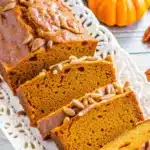
This pumpkin bread is like pumpkin pie in loaf form! Incredibly moist and topped with a rich brown sugar glaze, it’s perfect for fall baking and Thanksgiving gatherings.
- Prep Time: 10 minutes
- Cook Time: 1 hour 15 minutes
- Total Time: 1 hour 25 minutes
- Yield: 6–10 servings
- Category: Dessert
- Method: Baking
- Cuisine: American
- Diet: Vegetarian
Ingredients
For the bread:
1 ¾ cups all-purpose flour
1 teaspoon baking soda
½ teaspoon baking powder
1 teaspoon salt
2 teaspoons pumpkin pie spice
1 cup light brown sugar, packed
1 (15 oz) can pure pumpkin (not pumpkin pie filling)
2 large eggs, room temperature
½ cup vegetable oil
⅓ cup water
For the glaze:
1 Tablespoon butter
¼ cup brown sugar
3 Tablespoons milk
¼ cup chopped pecans (optional)
Instructions
1. Preheat oven to 325°F (or 350°F if using a metal loaf pan). Grease a 9×5-inch loaf pan with cooking spray.
2. In medium bowl, whisk flour, baking soda, baking powder, salt, and pumpkin pie spice.
3. In large bowl, mix brown sugar, pumpkin, eggs, oil, and water until smooth.
4. Add dry mixture to wet mixture. Stir until just combined — do not overmix.
5. Pour batter into pan. Bake 60–75 minutes, checking after 50 minutes. A toothpick should come out clean.
6. For glaze: In small saucepan, whisk butter, brown sugar, and milk. Boil 2 minutes, whisking constantly.
7. When bread is done, poke holes in top with fork. Pour warm glaze over bread to soak in.
8. Sprinkle chopped pecans on top (if using). Cool before slicing and serving.
Notes
Storage: Wrap tightly in plastic wrap or place in airtight container at room temperature up to 3 days, or refrigerate up to 1 week.
Freezing: Wrap loaf in plastic wrap and foil. Freeze up to 3 months. Thaw at room temperature before serving.